
'IELTS juniors' in Vietnam: Perceptions of learners, parents and IELTS preparation course providers
Official IELTS research report on Impact and Washback - Test preparation, published in 2024.
Abstract
This study explored the phenomenon of ‘IELTS juniors’ in Vietnam, specifically focusing on the perceptions of young adolescent learners, parents, and IELTS preparation course providers. It delved into the impact of IELTS and IELTS courses on young adolescent learners, their purpose for enrolling in ‘IELTS junior’ preparation courses, the characteristics of these courses, and IELTS-related policies implemented in Vietnam.
The participants were 198 IELTS young learners (aged 14 to 18 years old), 106 parents of these learners, and 35 IELTS preparation course providers, recruited from various provinces of Vietnam. They participated in two rounds of semi-structured individual interviews and completed a survey. The findings revealed that learners and parents reported multiple purposes for enrolling in IELTS preparation courses. They highlighted a positive impact of IELTS on young learners, including academic, emotional, social, educational, and professional dimensions. These results underscore favourable perceptions of IELTS and IELTS preparation courses. However, learners and parents noted concerns, such as access barriers and financial pressure associated with IELTS costs, and the emergence of negative emotions due to test-taking. Despite these concerns, it was evident that the impact of IELTS was dynamic, individual-specific, and context-dependent.
These findings suggest the potential for implementing measures to mitigate the unintended negative consequences while maximising the positive influences of IELTS and IELTS preparation courses on young learners’ educational and professional growth. The results also revealed that IELTS course providers determined all aspects of their courses (e.g., objectives, goals, business models, course design, teaching materials, and delivery), indicating their considerable autonomy in designing English language teaching specifically for IELTS. Additionally, when examining IELTS-related policies, the study documented issues, primarily pertaining to access and resources. Nevertheless, learners, parents, and IELTS course providers all shared positive perceptions of these policies, while expressing the need to establish a supportive policy mechanism to address pertinent issues. Overall, the present study contributes to current discussions about the impact and consequential validity of large-scale, high-stakes proficiency tests, with IELTS being a case in point.
1 Introduction
Although designed to be used for test-takers above 16 years of age for university admission, employment, and citizenship purposes (www.IELTS.org), the International English Language Testing System (IELTS) has in recent years attracted the attention of a younger learner population, aged 12-15, in Vietnam. Several language learning institutes and centers currently operating in the country have offered IELTS preparation courses to adolescent learners and used the label ‘IELTS junior’ to refer to these courses. Since October 2020, VTV7, a channel dedicated to youth education and entertainment of the Vietnam National Television network, has also been running a program called ‘IELTS Face Off Junior’1 . Each episode of the program focuses on discussing an IELTS-related skill, as well as sharing stories of young Vietnamese learning English, with the goal of helping “young people and their parents build and develop soft skills for themselves and their children”2 (IELTS Face Off, n.d.). Despite this rise in interest among younger Vietnamese, little research has explored perceptions of junior learners (i.e., adolescent learners aged 12-15) toward their experiences when taking ‘IELTS junior’ preparation courses. Notably, different from Young Learner English (YLE) tests (Taylor & Saville, 2002; Wilson, 2007), IELTS is designed to measure test-takers’ English proficiency readiness for studying at undergraduate or postgraduate levels (Academic module), or migration and training below degree level (General Training module) (Cambridge English Assessment, n.d.). Therefore, it is worthwhile to investigate its relevance for adolescent learners who likely have limited life experience and few immediate needs concerning university studies or work (Cameron, 2000).
In addition, ‘IELTS juniors’ in Vietnam appears to be an emerging social phenomenon that has attracted increasing attention not only from young learners but also other key stakeholders (e.g., parents, IELTS course providers, and policy-makers). However, little research has been conducted to uncover the role of these key stakeholders in influencing the young learners’ decision to take IELTS preparation courses, specifically and perhaps most predominantly, their parents and ‘IELTS junior’ course providers. In the context of Vietnam, no empirical research has been conducted to unveil the intended and unintended impact of large-scale standardised tests, such as IELTS, on the personal, educational, and professional development of young Vietnamese IELTS test-takers. Given that the power of language tests has significant bearings on different stakeholders such as parents (Cheng et al., 2010; Scott, 2007), learning and teaching practices (Ali & Hamid, 2020; Cheng, 1997; Green, 2006; Hamid, 2016; Hamid & Hoang, 2018; Pearson, 2019; Tsang & Isaacs 2022; Yucel, 2019; Yucel & Iwashita, 2017), and is considered as one of the cornerstones for evaluating test validity (Green, 2021; McNamara, 2000; Messick, 1996; Pan & Roever, 2016; Shohamy, 2001), it is important to gain insights into this issue (e.g., test impact), which might have social implications for these key stakeholders (Saville, 2009, 2010).
Furthermore, previous research has suggested that the impact or washback of language tests appears to be a highly complex phenomenon which is mediated by different social and contextual factors (Alderson et al., 2017; Ali & Hamid, 2020; Ali et al., 2018; Cheng, 2014; Cheng & Curtis, 2004; Green, 2007; Hamp-Lyons, 2000; Shohamy, 2001; Tsagari, 2009; Saville, 2009; Wall & Alderson, 1993). However, research has largely explored the impact or washback of language tests on learning and teaching practices at the classroom level (Allen, 2016; Cheng, 1997; Saif, 2006; Spratt, 2005; Xie & Andrews, 2013; Zhan & Andrews, 2014), with some focusing on the socio-political, economic, and educational levels (Ali & Hamid, 2020; Tsang & Isaacs, 2022). To date, some research has explored the parents’ view of the test impact on their children (Cheng et al., 2011; Chik & Besser, 2011; Gu & Saville, 2012; Hamid et al., 2009; Khalifa et al., 2012; Scott, 2007; Wu & Lo, 2011). However, little research has explored the impact of IELTS and IELTS preparation courses from the perspective of parents of junior test-takers.
- Link to the first episode of IELTS Face Off Junior: https://www.youtube.com/ watch?v=Vz4xgVJFJBw
- https://vtv7.vtv.vn/ielts-faceoff-27
While parents have been reported to be extensively involved in learners’ decisions about their education (Ho, 2006; Hoover-Dempsey et al., 2005), the perceptions of parents, especially regarding the impact of IELTS courses, have remained largely unexplored. Similarly, the providers’ perceptions of ‘IELTS junior’ preparation courses have also been hardly researched. This indicates that little is known about the test impact from the perspective of these under-researched groups of stakeholders as compared to learners and teachers.
Contextually, the increased popularity of IELTS preparation courses among adolescent learners in Vietnam could be attributed to two main factors. First, it responds to an increased demand for international recognition of English competence among young learners and their parents, following the beliefs that English proficiency opens doors to various learning and working opportunities (Bolton & Bacon-Shone, 2020). Second, the increasing use of IELTS and the mushrooming of IELTS preparation courses for junior learners is largely due to the implementation of the Vietnamese national and local governments’ top-down language-related policy and the university admission policy. That is, high school students can use an IELTS score of 4.0 as a replacement for their previously compulsory high school graduation exam in English (Ministry of Education of Vietnam, 2020). In addition, various Vietnamese universities issued policies that high school students can use their IELTS results as part of their application for getting accepted to colleges and universities in Vietnam (Ministry of Education and Training-MOET, 2023; also see Hue University Admission Guidelines for the Year 2023).
These policies have arguably contributed to a greater need for ‘IELTS junior’ courses, and hence an increase in the number of junior IELTS learners in Vietnam. However, little research has investigated how the impact of these policies are perceived by stakeholders (e.g., ‘IELTS junior’ learners, parents, and IELTS course providers).
The current study, therefore, aims to probe stakeholders’ perceptions of these IELTS-related policies using Kaplan and Baldauf’s (2005) language-in-education framework (i.e., a framework for evaluating language-related policies in the education sector). Overall, the study contributes further to the current understanding of not only the general impact of IELTS and ‘IELTS junior’ preparation courses (henceforth used interchangeably) in the context of Vietnam, but also test impact at the policy level. Based on these findings, some implications are offered regarding maximising positive test impact as well as mitigating potential unintended negative consequences.
2 Research aims
The research addresses the following aims.
- To understand junior learners’ perceptions of IELTS preparation courses and their impact on their personal and educational development.
- To understand the perceptions of parents of junior learners regarding ‘IELTS junior’ preparation courses and their impact on their children’s personal and educational development.
- To understand the perceptions of providers of ‘IELTS junior’ preparation courses and the washback of IELTS on the design and implementation of these courses.
- To identify benefits and issues of the implementation of the national language policies related to foreign languages (i.e., English) from the perspectives of junior learners and parents.
- To provide insights and implications regarding the impact of a large-scale standardised test (e.g., IELTS) on junior learners at micro and macro levels.
- To contribute to the discussion on the validity of large-scale standardised language tests regarding their intended, unintended, positive, and negative consequences.
3 Literature review
The literature review begins with a review of approaches in researching the construct of ‘perception’, followed by a brief discussion justifying the chosen approach. The next section reviews research that has investigated language test impact and identifies gaps that the current research aims to address. In the final section, we describe the language-in-education framework (Kaplan & Baldauf, 2005), with the goal of providing a more nuanced understanding of the translation of top-down policies into practices.
3.1 Different approaches to researching perceptions
Research on perceptions, especially those related to language learning, has been mostly framed by two approaches: the normative approach and the contextual approach (Kalaja & Barcelos, 2013). Within the normative approach (i.e., perceptions are largely true and stable at all times), the concept of perceptions (also referred to as beliefs and attitudes) are viewed as cognitive entities residing in a learner’s mind which form their views about a particular teaching and learning matter (Horwitz et al., 1986; Yan & Horwitz, 2008). The normative approach argues that perceptions are statable, which means learners are aware of, and can talk about, their perceptions. In addition, perceptions are considered stable over time, which leads to the utilisation of methods such as questionnaires to study perceptions. Critics of the normative approach, however, affirm that perceptions are an intricate concept containing many elements and therefore, questionnaires are inadequate in capturing the “complexity of learners’ thinking about language learning” (Benson & Lor, 1999, p. 459).
The contextual approach (i.e., perceptions are context-specific and dependent on a particular time and place), on the other hand, focuses on the social aspect of perceptions (Kalaja & Barcelos, 2013; Li & Ruan, 2015). This approach is based on the premise that perceptions emerge from social interactions and, for this reason, they are highly dependent on context. According to the contextual approach, perceptions are not static, but dynamic and variable; in other words, they may change over time and vary from one context to another (De Costa, 2011; Kalaja & Barcelos, 2013). This understanding of perceptions allows for more complexity and is helpful in making sense of contradictory perceptions. As such, the contextual approach tends to rely heavily on qualitative methods which are interpretative in nature to study perceptions. A variety of qualitative data collection methods has been commonly used for research following the contextual approach, including open-ended questionnaires, diaries, journals, narratives, and observation (Kalaja, Barcelos, & Aro, 2018).
Given the strengths and weaknesses of both approaches, we conceptualise perceptions as being manifested in multiple dimensions, including the cognitive and social features. Thus, in the current study, perceptions of key stakeholders towards IELTS and ‘IELTS junior’ preparation courses are researched from both a normative and contextual perspective. To apply this methodological perspective in practice, we used Likert-scale questionnaires for quantitative analysis (normative approach), and semi-structured interviews and open-ended questionnaires for qualitative analysis (contextual approach) (see the Method section for a detailed description of the tools).
The use of various data collection tools in the current study aimed to harness the strength of a multi-method approach, enabling the collection of diverse data types. Using a multi-method approach has been strongly encouraged by research in the field of language education and testing due to its strengths of offering rich data to examine a phenomenon from different angles (Creswell & Clark, 2017; Riazi, 2017).
3.2 Language test impact and teaching and learning practices
Early research predominantly investigated the impact of language tests (both small-scale and large-scale standardised tests) on classroom teaching and learning practices (Alderson & Wall, 1993; Cheng, 2014; Cheng & Curtis, 2004; Wall, 2005; Watanabe, 1996, 2004). The test impact at the level of learning and teaching practices has often been termed as washback or backwash (Cheng, 2008; Hughes, 2003; Messick, 1996; Taylor, 2005). This line of early research primarily examines a linear causal relationship between testing and teaching practices, with an assumption that positive teaching outcomes are generated by a good test or a good assessment (Cheng, 2014; Hughes, 2003; see Al & Hamid, 2020 for the argument of the complex rather than linear causal relationship between testing and teaching practices). The results of this early research overall show that course materials and teaching and learning practices are modified according to the tests and that washback concerns mainly the learning activities, the teaching practices, the adoption of materials, the curriculum, and the learning outcomes (Alderson, 2004; Bachman, 1990; Bachman & Palmer, 1996; Cheng, 2014; Hawkey, 2006; Hughes, 1989; McKinley & Thompson, 2018).
Early test impact research also provides empirical evidence for both positive and negative washback of language tests (Burrows, 2004; Pan & Newfields, 2012; Saif, 2006; Smyth & Banks, 2012; Xie & Andrews, 2013). Positive impact includes the pursuit and motivation of good teaching and learning practices for better learning results (Green, 2006). The negative consequences include, for example, a narrow perspective of what language ability refers to, the adoption of teach-to-the-test practice, the teaching of technical test-taking strategies rather than teaching purely for developing language proficiency (Ali & Hamid, 2020; Choi, 2008; Menken, 2006; Tahereen, 2014; Wall & Alderson, 1996; Volante, 2004). These washback behaviours and practices arguably constrain and negatively affect the learning outcome (i.e., language proficiency development) (Anderson & Wall, 1993; Kunnan, 2000; Taylor, 2005). Additionally, research suggests that language tests seem to affect the content to be selected for teaching rather than how the teachers teach (Ali & Hamid, 2023; Cheng, 1997; Nguyen et al., 2020; Tayeb et al., 2014; Wall & Alderson, 1996). In sum, although providing insight into the impact of language tests, this body of early research tends not to focus on the test impact that goes beyond the teaching and learning level or the ‘physical border’ of the classroom.
Addressing the above-mentioned gap, more recent research has extended to look at test impact at both the micro-classroom and macro-societal level, emphasising the complex interaction and a non-linear relationship between testing and teaching/learning practices (Ali & Hamid, 2020; Al-Amin, 2017; Al-Amin & Greenwood, 2018; Cheng, 2004; Green, 2007; Shih, 2007). Test effects that are considered beyond the level of learning and teaching (e.g., test effects at the level of society at large) are often referred to as ‘impact’ (Taylor, 2005; Saville, 2010). The results of this research indicate that language tests can exert their influence on a broader scale (Cheng, 2001, 2004; Shohamy, 2001, 2007), including the social and professional life of teachers, students, parents, and the educational systems, or society as a whole (Al-Amin & Greenwood, 2018; Cheng & Curtis, 2012; McNamara, 2000, 2012; Nguyen et al., 2021; Pan & Roever, 2016; Tayeb et al., 2014; Taylor, 2005; Watanabe, 2000, 2004).
Beyond the classroom and at macro levels, language tests can impact on personal and educational goals and an array of social dimensions such as finance, justice, employment and social status (Ali & Hamid, 2020; Shih, 2007). Recently, more research has reported on the complex and changeable nature of test impact. For instance, the impact of the test varied according to learners (Cheng et al., 2011), the context (Ali & Hamid, 2020; Ali et al., 2018; Pill & Harding, 2013), or the stage of education (i.e., early years versus later years in primary school) (Scott, 2007). Also, a few studies have explored the social dimensions of language test impact, such as socio-cultural values or norms (Ali & Hamid, 2020; Nkosana, 2008), the socio-economic background of test-takers (Ali & Hamid, 2020; Ali et al., 2018; Al-Amin & Greenwood, 2018; Tayeb et al., 2014; Wall, 2005; Wall & Alderson, 1993), private tutoring (Bray, 1999; Hamid et al., 2009), employers’ perceptions of high-stakes tests (Pan & Roever, 2016), teachers’ personal and professional development and other stakeholders such as material writers or program managers (Cheng, 2014; Nguyen et al, 2021; Tayeb et al., 2014). Following this line of research, it is necessary to look at test impact beyond the classroom level from multiple key stakeholders such as ‘IELTS junior’ learners, parents, and providers of language courses that prepare young learners to sit for high-stakes standardised tests.
3.3 Stakeholders’ perspectives and test impact frameworks
From the critical language testing perspective, tests are powerful and never neutral (Shohamy, 2001), especially when they are associated with stakes regardless of whether these stakes are high or low and genuine or not. Arguably, stakes associated with language tests are perceptual because it is the stakeholders (e.g., learners, parents, teachers, and program managers or course providers) who believe, perceive, and thus possibly determine the stakes of the tests (Chapman & Snyder, 2000; Gipps, 1994). In other words, a low-stakes test can be viewed as high-stakes if the participants or stakeholders believe it to be of significant importance. In the case of high-stakes tests (e.g., IELTS), it is difficult to deny their genuine high stakes given that the test outcomes are more likely to determine one’s life-long development and life events (e.g., immigration and access to education such as university admission) (McNamara & Shohamy, 2008). Thus, understanding how stakeholders perceive tests, especially high-stakes tests (e.g., IELTS), is crucial. These tests can yield both intended positive and unintended negative consequences for stakeholders (Cheng, 1997; Taylor, 2009).
In the testing community, washback and test impact studies reveal a range of stakeholders, including learners, teachers, parents, language course providers, test writers, materials writers, raters, examiners, publishers, school leaders, test center administrators, consultants, institutions using tests, employers, professional bodies, academic researchers, government agencies, and other test users (Taylor, 2013; Saville, 2009). In the context of Vietnam, where English plays an important role in education and development, and considering the active role of parents and IELTS course providers in guiding ‘IELTS junior’ learners, it becomes essential to investigate the perspectives of these stakeholders (i.e., junior learners, parents, and IELTS course providers) regarding the impact of IELTS and IELTS preparation courses on junior learners.
To date, multiple theoretical frameworks have been proposed to examine stakeholders’ perceptions of test impact and washback on teaching and learning (Alderson & Hamp Lyons, 1996; Bachman & Palmer, 1996; Bailey 1996; 2007; Pan & Roever, 2016; Saville, 2009, 2010; Shohamy et al., 1996; Wall, 2005; Watanabe, 2004). Although these models have different emphases, they appear to converge on suggesting that test impact or washback can be examined at both micro and macro levels. Test impact frameworks proposed by Pan and Roever (2016) and Saville (2009, 2010) are two examples of models that explicitly address test impact at both micro and macro-levels (Figures 1 and 2).
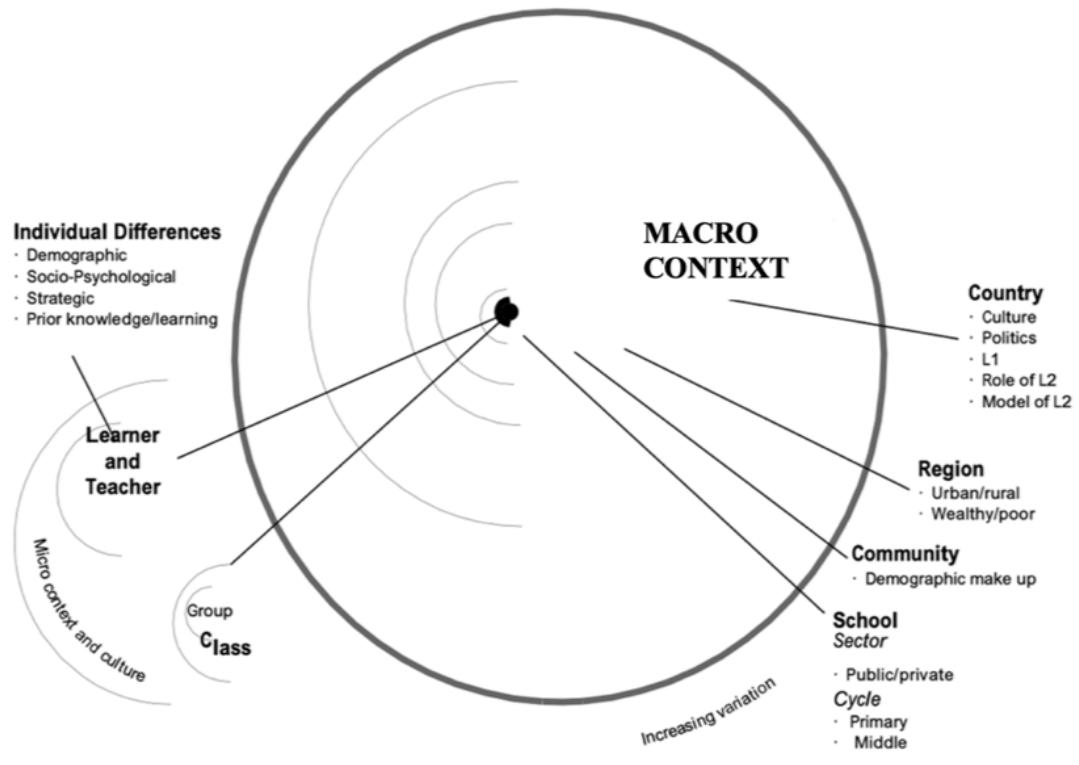
Figure 1: Saville’s framework of task impact within micro and macro context (2010, p. 4)
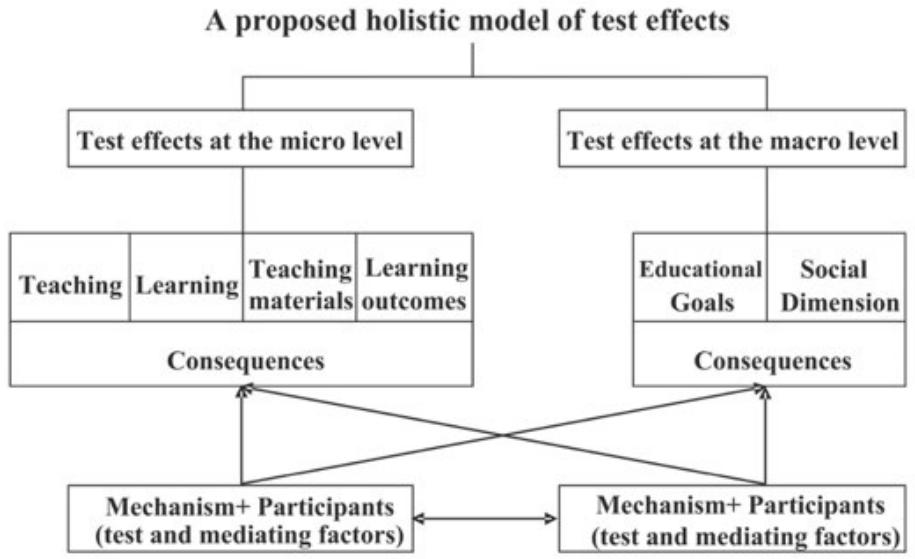
Figure 2: Pan and Roever’s holistic model of test impact (2016, p.4)
In Figures 1 and 2, the micro-level test impact primarily concerns teaching, learning, materials and outcomes (Pan & Roever, 2016), and learners, teachers and group and class micro context and culture (Saville, 2010). Meanwhile, the macro-level test impact goes beyond this micro-level or classroom-level to include social dimensions, educational goals, schools, communities, and a country at large (Saville, 2010). Guided by Pan and Roever’s model (2016) regarding the social dimension at the macro level, the current study focuses on the test impact on learners via the perspective of multiple stakeholders (e.g., junior learners, parents and language course providers). This focus arguably aligns with the current impact of research that has extended to look at test impact beyond the level of classroom teaching and learning practices (Ali & Hamid, 2020; Shohamy, 2001, 2007). Also, based on Hughes’ (1993) distinction of test effects on participants, processes, and products, the current study primarily focused on the impact on participants regarding their perceptions and attitudes brought to IELTS preparation
courses, which might affect the processes (i.e., learners’ learning behaviours) and the products (i.e., learning outcomes).
3.4 Language-in-education framework for examining IELTS-related policies
Our project was planned for face-to-face data collection but our study ‘ripened’ just as the COVID-19 virus spread. Travel became impossible and we were forced to shift all operations online. Nevertheless, we encountered some unexpected benefits of this move as suggested by Oliffe et al. (2021). As they state: there is ‘no place like home’ (p. 1) and our online data collection may, consequently, have led to better quality data due to a reduction of any discomfort or inconvenience caused by travel.
As stated above, one of the primary motivations for the increased popularity of the ‘IELTS junior’ phenomenon in the context of Vietnam is arguably the implementation of top-down policies by the national and local educational authorities and universities on the use of results of large-scale standardised tests (e.g., IELTS) as part of high school graduation and university admission (Dan Tri newspaper, 2022; Lao Dong newspaper, 2023; Phap Luat newspaper, 2022). In the case of this research, these top-down policies refer to: 1) the use of an IELTS score (e.g., 4.0) as a replacement for the required high school English subject exam by the national and local provincial authorities; and 2) the use of an IELTS score (e.g., 6.0 and above) as a criterion for university admission. Because the study focuses on IELTS-related policies apart from the impact of IELTS and IELTS preparation courses, it is arguably important to look at the impact of these policies from a policy-based perspective, specifically through the language-in-education policy framework (Kaplan & Baldauf, 2005).
As presented in Table 1, the framework proposed by Kaplan and Baldauf (2005) has been employed in many studies as the basis for understanding language policies and issues associated with their implementation (see Nguyen, 2011; Nguyen & Nguyen, 2019; see also Baldauf, 2004). This framework explicates the ‘key elements for successfully implementing a language policy ensuring that language-in-education planning meets societal, institutional, or individual needs’ (Zhao, 2011, p. 914). It is therefore argued that this framework can function as an overall tool in understanding various aspects of language policies, including IELTS-related policies.
Table 1: Language-in-education (Kaplan & Baldauf, 2005, p.1014)
| Aspects/domains | Key questions |
|---|---|
| Access | Who learns what when? |
| Personnel | Where do teachers and language course designers/ providers come from and how are they trained? |
| Curriculum | What is the objective in language teaching/learning? |
| Methods and material | What methodology and what materials are employed over what duration? |
| Resourcing | How is everything paid for? |
| Community | Who is consulted/involved? |
| Evaluation | What is the connection between assessment, on the one hand, and methods and materials that define the educational objectives, on the other? |
As shown in Table 1, the language-in-education framework focuses on multiple key aspects/domains. The first aspect is related to Access which seeks to address the question of who learns what languages at what age or to what level. Hamid (2010) clarifies that this aspect refers to ‘the extent to which a particular language is made available to a language learning population or sections of the population through formal instruction’ (p.292). The second aspect is Personnel. With any language in education policy, its feasibility and success lie in the hands of those who are directly involved in the implementation process. This aspect is to do with the sourcing, training, and the rewards for language teachers. Apart from the teachers, ‘IELTS junior’ course providers also play a role in the process of implementing this particular aspect. The third aspect is Curriculum. For the curriculum goals of a language-in-education framework, Kaplan and Baldauf (1997) discussed important curricular issues, such as the objectives of teaching and learning the language, the space for language instruction in the general curriculum, and the duration and intensity of teaching and learning the language.
The fourth aspect is Methods and Materials. The goal of this aspect seeks to address the issue of the content to be used for language teaching and the methodology for language instruction. The fifth aspect is Resourcing which refers to the allocation of different resources, especially financial resources, for the operation of a language-in-education program. The sixth aspect is Community. It states that language policy has to take into consideration the voices and attitudes of those who are involved in the policy-making process, as well as those influenced by the policy.
The final aspect is Evaluation which seeks to address how other policy aspects are connected, especially the consistency between assessment and curriculum. More specifically, it is concerned with the question of ‘what is the connection between assessment on the one hand and methods and materials that define the educational objectives on the other?’ (Kaplan & Baldauf, 2005, p. 1,014). Three aspects of evaluation to guarantee consistency are posited: learners, teachers, and the whole program. Students need be evaluated to determine whether they are achieving the objectives set by the system; teachers need be evaluated to determine whether they have the language skills necessary to deliver quality instruction at the level demanded by the system; and the entire system needs be evaluated to determine whether the objectives set are commensurate with the needs, abilities, and desires of the population (Kaplan & Baldauf, 1997, p.138).
As described above, Kaplan and Baldauf provide a detailed theoretical framework relevant and appropriate for understanding a social phenomenon in relation to language policies (i.e., ‘IELTS junior’ in Vietnam). Thus, the current study adopted this theoretical framework to scrutinise the impact of large-scale standardised tests (i.e., IELTS) via the lens of key stakeholders’ perceptions. As such, the current study utilised the seven aspects in Kaplan and Baldauf’s framework to elicit data from the participants. Although this language-in-education framework is highly associated with a language policy perspective, it also reflects and aligns with the perspective of understanding test impact from both micro and macro levels.
4 Research questions
IELTS and ‘IELTS junior’ preparation courses
Junior learners’ views (aged 12-15 years old)
- What are Vietnamese junior learners’ purposes for enrolling in IELTS preparation courses and their perceptions of the impact of IELTS?
- What is the nature of the impact of IELTS on junior learners?
Parents’ views
- To what extent do parents of junior learners understand IELTS and its purpose?
- What are parents’ reasons for enrolling their children in IELTS preparation courses and their perceptions of the impact of IELTS?
Course providers’ views
- What are course providers’ perceptions of the characteristics of their IELTS preparation courses?
- What are course providers’ perceptions of the impact of IELTS on junior learners?
IELTS-related policies: Key stakeholders’ perceptions
- What are stakeholders’ (i.e., learners, parents, and IELTS course providers) perceptions about the benefits and issues of the implementation of the national language policies related to IELTS in Vietnam?
5 Methods
5.1 Participants
The participants of this study included three key groups: junior learners, parents, and providers of ‘IELTS junior’ preparation courses. All volunteer participants were recruited via a flyer posted on social media and shared among the researchers’ professional networks.
Group 1: ‘IELTS junior’ learners
The ‘IELTS junior’ learners, comprising 198 participants (130 females, 66 males, and 2 participants who preferred not to disclose), were enrolled in ‘IELTS junior’ preparation course across Vietnam at the time of data collection. Their ages ranged from 14 to 18 years old, with an average age of 15.99 (SD = 1.27). Although the study focused on IELTS junior learners aged 12 to 15, participants aged 16 to 18 were included under the criterion that they started enrolling in IELTS preparation during secondary school (ages 12 to 15) and remained enrolled in these courses. This allowed them to reflect on the trajectory of their IELTS experience from secondary to high schools.
Most of the learner participants (89.9% or 178 participants) were living and studying in urban areas, while 8.6% (17 participants) resided in suburban areas. A small number (1.5%) were living in rural and remote regions. Most participants started learning English at Grade 3 (48.5%), followed by Grade 2 (26.3%) and Grade 1 (12.6%), with a very small number starting English at a later grade. The learners started enrolling in ‘IELTS junior’ preparation courses at different grades, ranging from Grades 6 to 11. Regarding their self-rated proficiency, 19.7% of learners rated their proficiency below the level of an IELTS band score of 4. Meanwhile, 39.4% and 28.8% of learners respectively rated themselves at the levels of 4-5 and 5.5-below 6 IELTS band score. The learners were enrolled in three delivery modes of ‘IELTS junior’ courses: online, face-to-face and hybrid.
Group 2: Parents of ‘IELTS junior’ learners
The study included 106 parent participants, recruited from different provinces across Vietnam. They had children enrolled in ‘IELTS junior’ courses at various age levels, ranging from 10 to 20 years old. Additionally, the most popular period for parents to enrol their children in ‘IELTS junior’ preparation courses was between the ages of 12 and 16.
Group 3: Providers of ‘IELTS junior’ preparation courses
Thirty-five (35) providers of ‘IELTS junior’ preparation courses participated in this study. While 20% of course providers reported offering ‘IELTS junior’ preparation courses to secondary school learners (aged from 12 to 15 years), 80% provided IELTS preparation courses to both secondary and high school learners (aged from 12 to 18 years). All the participants reported providing two types of IELTS preparation courses: 1) bespoke IELTS preparation courses tailored to the learners’ specific requirements; and 2) structured courses. The structured courses were grouped according to levels: 1) IELTS foundation courses; 2) IELTS level-based courses that consists of three subcategories: 4-5 IELTS level course, 5-5.5 IELTS score level or 5.5-6.5 IELTS score; and 3) intensive IELTS courses focusing on test-taking strategies and exam-practice. These structured courses often included a large number of learners (over 15 per class). These providers reported offering ‘IELTS junior’ preparation courses from 2012. However, the number of courses had increased over time, especially since 2019, corresponding to the time when IELTS-related policies began to be implemented in Vietnam. Approximately 80% of ‘IELTS junior’ preparation courses were offered in urban areas, rather than suburban, rural and remote areas.
5.2 Study design, instruments, procedure, data analysis
This study investigated the perceptions of three key IELTS stakeholders regarding the impact of IELTS and IELTS preparation courses on junior learners. To achieve this objective, we employed a sequential mixed-methods approach, combining both quantitative and qualitative research methods through interviews and questionnaires (Creswell & Clark, 2007). Figure 3 illustrates a sequential study design, initially employing interviews for qualitative data and later utilising questionnaires to examine whether the qualitative findings are corroborated on a larger quantitative scale (see Appendix 1, 2 and 3 for the detailed descriptions of tools).
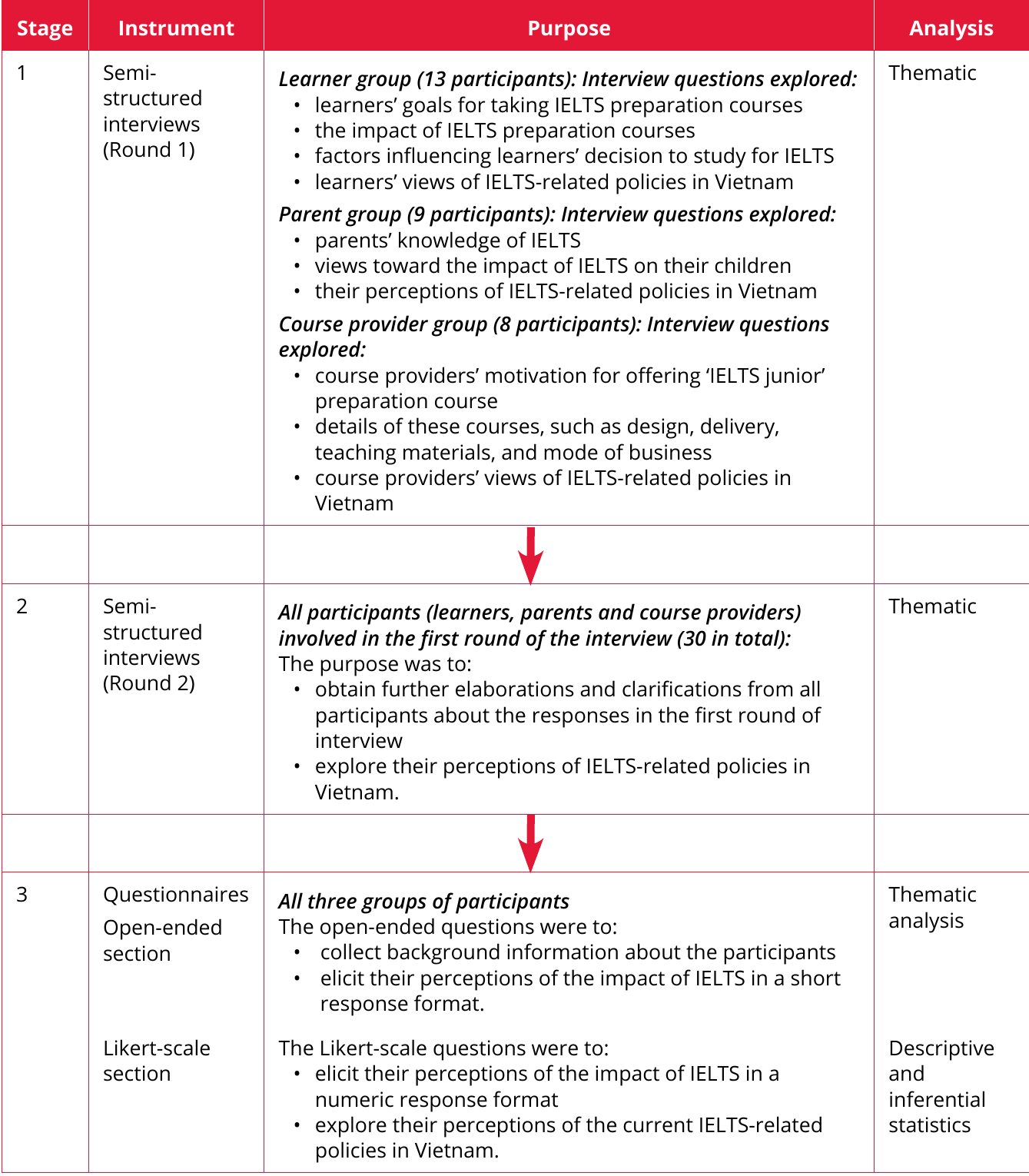
Figure 3: Study design, instruments, procedure, and analysis
As for the data collection procedure, once the data collection tools were prepared, we piloted them with 30 learners, three teachers, and two course providers who were not included in the main study. We then refined and modified these tools following their qualitative feedback, primarily by revising the wording of survey items and interview question prompts for improved clarity. After the tools were finalised, we conducted a series of individual in-depth interviews online via Skype, Google Meet and Microsoft Teams to facilitate access to various participants. This process of semi-structured interviewing occurred over an extended period of time rather than a single event (Yin, 2009), with two rounds of interviews of the same participants (30 participants in total, specifically including 13 learners, 9 parents and 8 course providers). Interview questions were used in a semi-structured manner, using inductive probing which involves asking questions that stem from the interviewee’s answers while also connecting them to the research questions and objectives. (Guest et al. 2013, p.114). After we finished the interviews, we delivered the questionnaires to all participants.
5.3 Coding and analysis
The interviews were coded and analysed following the qualitative content analysis approach for identifying and organising emergent themes (Dörnyei, 2007; Murray, 2009). The data coding procedure followed three main stages. In Stage 1, the first coder (the first author) coded interview transcripts by reading through them and highlighting relevant segments. Then, codes (i.e., phrases) were assigned to all segments. In Stage 2, the first coder grouped these codes into themes and constructed a narrative story regarding the dynamic impact of IELTS on learners. In Stage 3, an independent second coder coded the entire data set following the same procedure as the first coder. Once all data were coded, the two coders compared their coding results and discussed to converge on the themes. For the coding results related to the story generated solely from participants’ experiences, the first coder sent the constructed stories back to the participants for their comments, ensuring no misrepresentation occurred.
Data from the open-ended questionnaire was analysed using a theme-based framework (Dörnyei, 2007). Specifically, participants’ written responses were first transcribed and cross-checked. The data were then analysed following a thematic analysis approach (Braun & Clarke, 2006; Dörnyei, 2007), which focuses on identifying recurrent patterns in the data. Initially, the dataset was read through to locate segments in each participant’s responses directly related to the key research inquiries. Codes were then assigned to the highlighted segments based on keywords and phrases identified in each segment. Finally, these initial codes were grouped into potential themes, and clear names were assigned to each theme. The naming and grouping of themes were cross-checked with an independent coder (i.e., a research assistant), with any disagreements resolved through discussion. The results of the open-ended questionnaire coding were then integrated with the findings from the qualitative interview data to answer all research questions.
Regarding Likert-scale questionnaires, we initially assessed their overall reliability. The learners’ questionnaire demonstrated high reliability (α = .91), while the parents questionnaire (α = .81) and the providers’ questionnaire (α = .74) also met acceptable thresholds. Additionally, we conducted exploratory factor analysis (EFA) to identify items that clustered together to form factors when evaluating questionnaire validity. Only questionnaire items showing high loadings (i.e., greater than .30) were grouped and analysed (see Appendix 4 for the validity checks).
6 Findings
We structured the findings into four sections, addressing four aspects focused on in the research questions. These were: 1) learners’ perceptions; 2) teachers’ perceptions; and 3) course providers’ perceptions of IELTS and IELTS preparation courses; as well as 4) all stakeholders’ perceptions of IELTS-related policies.
6.1 Learners’ perceptions
6.1.1 Purposes for enrolling in IELTS courses
To understand learners’ purposes for enrolling in ‘IELTS junior’ preparation courses, we analysed the Likert-scale survey (Table 2).
Table 2: Learners’ view: Purposes of enrolling in ‘IELTS junior’ courses
| I enrolled in ‘IELTS junior’ preparation courses because… | M(SD) |
|---|---|
| Component 1: Peer-, parent-, and oneself-related purposes | 4.76 (1.18) |
| I love learning English. | 4.91 (1.02) |
| Several of my peers are also taking them. | 4.75 (1.21) |
| It makes my parents happy when I study English. | 4.61 (1.28) |
| Component 2: Scholarship and leisure-related purposes | 4.86 (1.12) |
| I want to travel abroad for leisure purposes. | 4.77 (1.17) |
| I want to make friends with people from different cultures. | 4.78 (1.14) |
| I want to increase my chances of receiving scholarships to study abroad. | 5.02 (1.03) |
| Component 3: Study and job-related purposes | 4.86 (1.05) |
| Vietnamese universities are using an IELTS score to admit students into their programs. | 4.96 (1.00) |
| The overseas undergraduate study program I want to enrol in requires proof of sufficient English proficiency such as an IELTS score. | 4.77 (1.11) |
| IELTS courses help increase my English skills to secure a well-paid job in the future. | 4.94 (.96) |
| I want to be exempted from high school graduation English exam. | 4.80 (1.02) |
Table 2 shows that learners’ purposes for enrolling in IELTS preparation courses were diverse. They were mainly concerned with three areas: person-related purposes (e.g., peer-, parent-, and oneself-related); scholarship and leisure-related purposes; and study and job-related purposes. The composite average scores for the three areas were 4.76 (SD = 1.18), 4.86 (SD = 1.12), 4.86 (SD = 1.05), respectively, based on the six-point Likert scale. The ANOVA revealed that there were no significant differences in the mean scores among three areas, F(1.988,391.71) = 1.91, , η 2 = .01. These results suggest that all the purposes for enrolling in ‘IELTS junior’ preparation courses are equally significant.
6.1.2 Learners’ views on the impact of IELTS preparation courses
The results revealed that IELTS preparation courses generated both positive and negative impact on learners at multiple levels: academic, emotional, social, educational, and professional.
Qualitative results: Positive impact at multiple levels
At the academic level, IELTS preparation courses positively affected learners in various aspects.
Excerpt 1: Academic impact
Enhanced academic and study skills
IELTS speaking required a lot of argumentations and expressing opinions. It really helped develop my debate skills and ability to express ideas effectively.
Enhanced communication skills and public speaking skills
Because I had to practice IELTS speaking, I gradually became more confident in public speaking, both in English and Vietnamese. This [impact] was quite unexpected.
Transferable skills
There were a lot of transferable skills gained from IELTS. For example, IELTS writing task 1 helped me a lot in learning geography because many assignments in that subject required me to understand, analyse, and interpret charts and diagrams.
Increased general knowledge
The reading and listening texts, and the charts always presented new information about different topics and fields. I accumulated a lot of knowledge in these fields. I felt my general knowledge improved tremendously, not only about academic subjects but also about life.
Improved test-taking techniques and reduced test-taker anxiety
I practiced a lot of test-taking strategies for IELTS. This turned out to be very good for other subjects at schools because I was more strategic when taking any tests under time pressure.
Increased academic achievement at schools
After studying for IELTS, I found English tests at school quite easy because I could attain a high score at school.
Similarly, IELTS preparation courses generated positive impact on learners at the emotional level.
Excerpt 2: Emotional impact
Reduced stress
High school graduation exams and university entrance exams were very stressful. If I could achieve a high IELTS score beforehand, I would be exempted from the required English test and thus I would be free from worry and stress.
Increased pride
I felt very proud, and my family also felt the same way when I achieved a high IELTS score during my secondary school year. It’s a sense of pride, showcasing that I was academically excellent.
Heightened interest in English
The English subject at school was very boring. IELTS was a real thing because it provided a real opportunity for communication. Because of this, my interest and motivation in English grew a lot.
Positive feelings
It was the feeling of being satisfied, contented, and excited when I was able to talk to foreigners in English. This was due to my improved English proficiency in IELTS preparation courses.
At the social level, the positive impact of IELTS preparation courses was also varied.
Excerpt 3: Social impact
Widening networks of friends beyond school
When enrolling in IELTS preparation courses, I made lots of new friends outside of my school. Also, in numerous IELTS clubs that I joined, I befriended many people my age and older.
Increasing social connection with peers
When I achieved a band score of 7, I felt my friends at school had more faith in me, respected me, and often asked me to be a group leader for many English-related projects. I felt that my connection with them became stronger thanks to my high IELTS score.
Fostering positive social relationships with teachers
When I achieved an IELTS score of 7 during my secondary school years, some teachers viewed me differently, and I developed good relationships with them. They occasionally cited me as an example to encourage others to learn English.
Strengthening their relationship with parents
There were numerous speaking and writing topics that I had no ideas about. So, I asked my mom and dad for their input. Gradually, we developed a habit of having more conversations about various IELTS-related topics. Those conversations really helped me know my parents more and they also knew me more.
At the educational and professional levels, learners also reported various positive impacts from the IELTS preparation courses.
Excerpt 4: Educational and professional impact
Providing access to higher education
I think everyone knows that having a high IELTS score brought you one step closer to being accepted into a prestigious university in Vietnam. And, you could use IELTS scores for getting exempted from learning some required English-language modules at university as well.
Creating opportunities for job prospects or competitiveness
Without a high IELTS score, it is not possible to get a job in international companies in Vietnam. In fact, having a high IELTS score on your CV always made it more competitive and enhances its appeal to big companies
A tool for accessing resources for self-learning
I realised that as my English proficiency increased through the IELTS preparation courses, it [IELTS] opened up access to a wider range of books and learning resources in English for my self-learning and development.
Qualitative results: Learners’ concerns (negative impact) about IELTS preparation courses
The learners expressed different concerns related to IELTS, namely the following aspects: finance, access to IELTS, and negative emotions.
Excerpt 5: Negative impact of IELTS preparation courses
Finance
It was manageable for my family to afford these IELTS courses, but I was aware that some of my friends couldn’t afford them.
Access
I attended a high school in a village town where there were no IELTS teachers or language centers that provided IELTS preparation courses.
Stress
Honestly, IELTS required a significant investment of time and money, and failing to achieve the desired score could lead to a great deal of stress.
Pressure
I wasn’t really a fan of IELTS due to the immense pressure. The pressure mainly stemmed from my friends. Also, while my parents never explicitly expressed any expectations, I could sense their desire for me to excel like my friends.
Quantitative results: Learners’ perceived impact of IELTS preparation courses
Table 3 shows that all mean scores of the surveyed items were above 3.00 (on the six-point Likert-scale). These results indicate that IELTS preparation courses positively affected learners on various aspects.
The academic impact included the development of their soft skills and learning abilities in subjects beyond English, an increase in general knowledge, enhanced speaking confidence, and the addressing of students’ passiveness in expressing opinions. The social impact was concerned with friendship and social connections, and peers’ and others’ perceptions of the IELTS learners. The educational and professional impact was related to two areas: study and job-related impact, and English-exam-related impact. Notably, the learners experienced both positive and negative emotional impacts.
The negative emotional impact mainly concerned peers’ and parents’ indirect pressure on learners taking IELTS preparation courses. Meanwhile, the positive emotional impact revolved around learners enjoying communication in English with others, engaging in leisure activities involving the English language, and experiencing pride from their parents due to achieving high IELTS scores through participation in preparation courses.
Table 3: Learners’ views of the impact of IELTS preparation courses
| Participating in IELTS preparation courses enables me to… | M (SD) |
|---|---|
| Academic impact | |
| develop my soft skills such as communication, teamwork, critical thinking. | 4.99 (.99) |
| develop my learning skills that are relevant to other subjects at school such as geography, writing and literature. | 4.68 (1.13) |
| increase my common knowledge in subjects such as science, literature, history, or entertainment. | 4.83 (.99) |
| boost my confidence in speaking English with others (i.e., peers and foreigners). | 5.12 (1.01) |
| overcome my passiveness when expressing opinions about a topic. | 4.94 (.96) |
| Social impact | |
| Friendship and social connections (component 1) | |
| have the opportunity to befriend high-achieving peers. | 4.86 (1.06) |
| increase my sense of belonging to a community of friends who are also preparing for the IELTS. | 4.84 (1.03) |
| meet new friends who share similar learning goals. | 4.90 (1.07) |
| enhance my social relationship with others (i.e., peers) | 4.76 (1.02) |
| Peers’ and others’ perceptions (component 2) | |
| raise my social status among peers outside of school. | 4.81 (1.13) |
| improve my peers’ positive perceptions of my overall academic ability in school. | 4.81 (1.16) |
| create positive impact on my social life, including expanding social relationship and increasing social status. | 4.81 (1.10) |
| Educational and professional impact | |
| English-exam related impact (component 1) | |
| become exempted from taking an English test required for high school graduation. | 4.81 (1.16) |
| perform well on English exams at school. | 4.95 (1.05) |
| Study and job-related impact (component 2) | |
| find a good job in the future. | 4.79 (.93) |
| create positive impact on my career prospects. | 4.94 (1.01) |
| create positive impact on my educational goals (i.e., accessing further education) | 5.07 (.91) |
| increase my chances of gaining scholarships for studying abroad. | 5.00 (1.03) |
| improve my prospects of getting accepted into an overseas undergraduate/postgraduate program in the future. | 4.96 (.98) |
| increase my chances of getting accepted into a university of my choice in Vietnam. | 4.95 (.96) |
| Emotional impact | |
| increase my stress because my parents want me to take them. (R) | 4.01 (1.74) |
| enjoy communicating with others in English. | 4.94 (.98) |
| engage in leisure activities that I enjoy, such as travelling abroad, writing blogs, watching movies in English, reading books, and reviewing English films. | 4.98 (.93) |
| make my parents proud of me for achieving a high IELTS score. | 5.11 (.98) |
| make me proud of myself for achieving a high IELTS score. | 4.94 (1.03) |
Note: R = reversed item
6.1.3 Nature of IELTS-related impact: dynamic, individual-specific, and context-dependent
The analysis of the learners’ interview responses shows that the perceived negative and positive impact was dynamic, context-dependent, and individual-specific. Excerpt 6 illustrates the interplay of various factors generating this impact.
Excerpt 6: A high school student’s [Hoa] narrative story about her IELTS journey
I started IELTS preparation courses at a private center at 12 years old (Grade 7) upon my mother’s suggestion, who believed it was beneficial to start early because I could sit for the IELTS at the end of my secondary school. At the time, I was simply aware that IELTS focused on English, and as someone who enjoyed learning the language and making new friends outside school, I did not give it much thought. I was happy when I started because the IELTS preparation course helped me perform well on English tests at school. However, as time went on, I discovered that it required significant commitment, brought about pressure, and it was not easy to achieve a high score. As I reached the end of my secondary school years (Grade 9), I started experiencing some stress related to IELTS. I generally disliked stress and pressure, but I continued with the preparations because, by that point, I understood its significance for my study at school and for my future. When I entered high school (Grade 10), I began taking IELTS exams.
Although my parents reassured me not to worry about the score and encouraged me to view it as an opportunity to assess my English proficiency, I still felt stressed since it was an exam. Unfortunately, I did not perform well in that exam (Grade 11), which further added to my pressure. Now, being in Grade 12, I recently took the IELTS exam, and the outcome brought me a sense of relief. I achieved a 7.5 IELTS band score, which was good for my university admissions. I felt a weight lifted off my shoulders because I could now focus on other subjects during the remaining months of high school. Although IELTS experience was not easy, I felt the money, time, and pressure that I bore were worth it because I was happy now, knowing that the results not only enable me to get exempted from the high school English exam but also get accepted into my favourite university.
Hoa’s story serves as an exemplification of the varied and evolving impact of IELTS over time, showcasing both the changeable positive and negative emotional consequences associated with the pursuit of this language proficiency examination. Hoa’s IELTS story also provides insights into the context-specific and individual-specific nature of the impact of IELTS and the interaction of varied contextual, social, and individual factors together shaping the fluctuating or changing nature of the impact. It is crucial to recognise that the impact of IELTS, including both intertwined positive and negative aspects, are inherently dependent on the complex interaction between the changing psychological and social context (i.e., learners’ age, IELTS-related policies, others’ expectations such as parents, educational goals and stages such as secondary-versus-high schools), the unique characteristics of individuals undertaking IELTS preparation courses and sitting for the examination, and the individual personal and social differences (e.g., learners’ expectations, views of the role of IELTS, learning and IELTS-taking experiences, educational and professional aspirations).
6.2 Parents’ perceptions
6.2.1 Parents’ knowledge of IELTS
Qualitative results
The analysis of interview responses revealed three levels of parents’ understanding of IELTS. The first level, referred to as ‘comprehensive understanding’, indicated that parents possessed a good understanding of IELTS and its purpose. These parents were those who had previously studied and taken IELTS for employment reasons or for pursuing postgraduate studies abroad.
Excerpt 7: Parents’ comprehensive understanding
Because I studied for IELTS before, I knew very well what IELTS was all about, including its content, and purpose. That’s why I understood the importance of enrolling my children early in IELTS courses.
The second level, referred to as ‘intermediate understanding’, involved parents who either did not know or knew very little about the content of the IELTS. However, they understood, within the context of Vietnam, the test’s purpose and its use, such as developing learners’ English proficiency, obtaining exemptions from school exams, gaining admission to universities, securing scholarships for studying abroad, and enhancing competitiveness for future job applications.
Excerpt 8: Parents’ intermediate understanding
I understood that IELTS was a certificate that would showcase my children’s English proficiency. I knew it could be used for various purposes, such as getting exempted from mandatory English exams to enter Grade 10 or for high school graduation. It could also assist in university admission, securing scholarships, studying abroad, and future job opportunities.
The third level, referred to as ‘basic understanding’, included parents who were initially unaware of IELTS but later gained brief knowledge from their children, newspapers, or other parents.
Excerpt 9: Parents’ basic understanding
I didn’t know much about IELTS, but my kids told me about its purpose.
I understood IELTS was related to academic studies and improving English skills because
I came across it on television news, online newspapers, and social media.
Quantitative results
In Table 4, the percentage of parents who selected ‘agree’ on the surveyed items ranged from 84% to 98.1%, and the mean score for these surveyed items was 1.94 (based on the two-point Likert scale). These results indicate that a majority of parents were aware of the purpose of IELTS when enrolling their children in ‘IELTS junior’ preparation courses.
Table 4: Parents’ understanding of IELTS
| Disagree n (%) | Agree n (%) | M (SD) | |
|---|---|---|---|
| I know… | |||
| what IELTS is used for. | 2 (1.9) | 104 (98.1) | 1.98 (.13) |
| IELTS is a requirement for my children to get exempted from taking the secondary and high school graduation English exams. | 17 (16.0) | 89 (84.0) | 1.84 (.36) |
| IELTS is a requirement for my children to be admitted to an overseas study program. | 5 (4.7) | 101 (95.3) | 1.95 (.21) |
| IELTS is a requirement for my children to be admitted to Vietnamese universities. | 6 (5.7) | 100 (94.3) | 1.94 (.23) |
| IELTS is one of the requirements for my children to obtain scholarships for studying abroad. | 3 (2.8) | 103 (97.2) | 1.97 (.16) |
| Average | 1.94 |
Note: Disagree = 1; Agree = 2
6.2.2 Parents’ reasons for enrolling children in IELTS preparation courses
The analysis of parents’ interview responses revealed multiple reasons for enrolling their children in IELTS preparation courses.
Excerpt 10: Reasons for enrolling children in IELTS courses
Developing general English proficiency
My main reason for enrolling my child in IELTS preparation courses early was to help him develop English proficiency. At school, they [teachers] only focused on grammar.
Improving communication skills
My daughter was a very shy and timid child, rarely engaging in conversations with others. I encouraged her to participate in these IELTS courses early to help her develop confidence in communication.
Reducing study stress
If they took IELTS in Grade 11, they wouldn’t need to worry about the English exam in Grade 12. It really helped them reduce a ton of study stress.
Preparing for educational and professional goals
Lots of parents and kids were aware that having a good grasp of English could benefit their university studies. Also, I knew that English was crucial for jobs because almost all employers expected a certain level of English proficiency.
Making use of the current policies in Vietnam
The current IELTS policies in Vietnam were that if my kids got a good IELTS score, they could get exempted from English exams and could get accepted into universities.
6.2.3 Parents’ perceived impact of IELTS preparation courses on their children
Qualitative results: Positive impacts
The analysis of parents’ interview responses shows that parents expressed similar perceptions to ‘IELTS junior’ learners, regarding the positive impact of IELTS on their children. The impact concerned four areas: 1) English language proficiency; 2) educational and professional development; 3) communication confidence; and 4) social and emotional aspects. Notably, parents emphasised that they only realised the impact on social and emotional aspects only after their children participated in IELTS preparation courses.
Excerpt 11: Perceived positive impact
Improving English language proficiency
I could see a noticeable improvement in my kid’s English language skills when they joined IELTS preparation courses. It [IELTS] was ‘real’ English learning for communication and ‘real’ testing, not like what was in English classes at school.
Benefiting children’s educational and professional development
IELTS played a crucial role in kids’ education and profession. The impact and benefits of it [IELTS] were so clear and tangible that it was hard to ignore.
Improved communication confidence
I could see a noticeable change in my child as he became more confident in speaking and communicating with others in both English and Vietnamese. They [IELTS preparation courses] were truly effective in developing this skill.
Social and emotional development
When I enrolled my kid in an IELTS preparation course, I didn’t really have any specific expectations other than hoping that she would improve her English skills. However, when my child made more friends in her IELTS classes, they formed a strong bond and felt happy. They supported each other not only in learning English but also other subjects at school. It was something I didn’t anticipate, but it was a pleasant surprise.
I noticed that there were some topics in IELTS speaking test that my kids didn’t know about, so they would come home and ask me for help. The conversations about these topics really helped me get to know my kids better and bring us closer to each other.
Qualitative results: Negative impacts
The analysis of the parents’ interview responses revealed parents’ concerns related to IELTS, namely social and financial pressure and access to IELTS preparation courses.
Excerpt 12: Perceive negative impact
Peer and society’s pressure
Despite my reassurance of no pressure, my child felt compelled to attain a high IELTS score due to peer influence. Also, it seemed many other families were pressuring their children to attain a high IELTS score as a measure of overall academic excellence, which indirectly affected my child. This kind of misconception needed to be changed because it was unhealthy and not beneficial for the kids.
Financial pressure
I considered my family as middle class, so I could manage to cover the expenses of IELTS preparation courses. But, honestly, at times, we struggled a bit to afford these high-cost IELTS courses.
Access
In rural areas, IELTS preparation courses were not available. Also, when it came to the financial aspect, I couldn’t help but feel that it was unfair for poor families who couldn’t afford to enrol their kids in IELTS preparation courses or cover exam fees.
Quantitative results: Negative and positive impact
Table 5 shows that all mean scores for all surveyed items ranged from 1.51 to 1.98 on the two-point Likert scale, indicating the positive impact of ‘IELTS junior’ preparation courses on learners in terms of two broad areas: 1) English skill-related, educational, and professional impact; and 2) emotional and social related impact.
Table 5: Parents’ perceived impact of ‘IELTS junior’ preparation courses on their children
| Enrolling in IELTS preparation courses… | M (SD) |
|---|---|
| Factor 1: English skill-related, educational, and professional impact | |
| is important for my child to increase English proficiency for getting a good job in the future. | 1.95 (.22) |
| helps my child achieve the educational goals (e.g., studying abroad or studying in English-taught undergraduate and postgraduate programs in Vietnam). | 1.98 (.14) |
| is beneficial for my child’s educational development. | 1.95 (.22) |
| prepares my child well to get accepted into a Vietnamese university which uses an IELTS score as one of the admission criteria. | 1.97 (.168) |
| is important for my child’s educational development as I was advised by others. | 1.86 (.35) |
| Factor 2: Emotional and social related impact | |
| makes me feel proud of my child, especially when he/she achieves a high IELTS score. | 1.76 (.42) |
| is generally necessary because children from other families are also taking IELTS courses. | 1.51 (.52) |
However, parents found it challenging to afford ‘IELTS junior’ preparation course fees Table 6 shows that 29.2% of the parents (a third of the total) selected a ‘disagree’ response for the item ‘I can afford the tuition fees of IELTS preparation courses that my children are taking’. This corresponded to their perceptions that ‘tuition fees for IELTS junior preparation course are high’, as agreed by 94.3% of the parents.
Table 6: Financial impact of IELTS preparation courses from parents’ viewpoint
| Disagree n (%) | Agree n (%) | M (SD) | |
|---|---|---|---|
| I can afford the tuition fees of IELTS preparation courses that my children are taking. | 31 (29.2%) | 75 (70.8) | 1.71 (.46) |
| The tuition fees for IELTS preparation courses are high. | 6 (5.7) | 100 (94.3) | 1.94 (.23) |
6.3 Course providers’ perceptions
6.3.1 Characteristics of ‘IELTS junior’ preparation courses
Qualitative results: Mode of business
The analysis of interview responses revealed that there were three types of businesses providing ‘IELTS junior’ preparation courses. The first type was a single-person self-employed business, where one IELTS teacher was responsible for recruiting and teaching learners either in small groups (5 students maximum) or on a one-to-one basis.
Excerpt 13: A single-person self-employed business
I worked as an IELTS teacher in Ho Chi Minh City teaching IELTS to young learners either on a one-on-one basis or in small groups. There was a demand for IELTS preparation courses in the market, and some learners and parents approached me for these courses, so I decided to offer them. Although I didn’t initially consider it a business, it was one of the ways I made money and earned income.
The second type was a single-person self-employed business in which IELTS teachers were responsible for recruiting learners and co-teaching with other teachers, who were hired as additional teachers. This type of business was sometimes referred to as a single-person, small-scale at-home IELTS and English center.
Excerpt 14: A single-person, small-scale at-home IELTS and English center
I started offering only two IELTS preparation courses. However, thanks to word-of-mouth, my IELTS classes became popular in my city, resulting in numerous requests from parents for additional IELTS classes. As a result, I made the decision to expand my business by hiring more teachers to assist me in teaching or co-teaching with me. Currently, I had four teachers working at my ‘at-home’ English center, and we offered a variety of IELTS preparation courses for young learners. I did not intend to increase the number of classes further as it was already overwhelming for me to manage. I was content with my current mini-business.
The third type of business providing ‘IELTS junior’ preparation courses was medium-sized or large-sized English language centers where multiple IELTS and English courses were provided. These businesses had their own brand names, offices and business plans.
Excerpt 15: A medium-sized or large-sized English language center
I had been serving as an academic manager for IELTS courses at this center since 2018, but the center had been offering IELTS preparation courses long before my arrival. Here, we provided IELTS preparation courses for both adults and young learners, following a specific pathway and progression plan. This center was one of the first to be established in this city, offering IELTS preparation courses, and we took pride in the fact that our business had been running quite successfully for quite a few years.
6.3.2 Purposes and goals of ‘IELTS junior’ preparation courses
Qualitative results
The analysis of the interview responses revealed that ‘IELTS junior’ preparation courses were provided for multiple purposes.
Excerpt 16: Purposes and goals
Generating incomes
There was a huge demand in the market for IELTS preparation courses. So, as an English teacher, I saw it as a great opportunity to make some extra money.
A marketing strategy
I think all private language centers were aware that offering IELTS preparation courses and having learners achieving a high IELTS score was an excellent strategy for marketing the centers. When our learners achieved high IELTS scores, we used that as an ‘image’ to demonstrate the high quality and effectiveness of our center’s English courses.
Developing pedagogical skills
We frequently sent IELTS teachers to attend IELTS-related training workshops offered by IDP and the British Council to enhance their teaching skills. Moreover, we regularly observed the teachers’ classes in ‘IELTS junior’ preparation courses, providing feedback and facilitating reflection sessions. This created a genuine opportunity for the teachers to enhance their teaching skills.
Quantitative results
In Table 7, the average scores (on the six-point Likert scale) were all greater than 3.0, indicating that all course providers agreed that ‘IELTS junior’ preparation courses aimed at different purposes. They included: 1) meeting the demand from the market; 2) developing IELTS teachers’ pedagogical skills; 3), generating income; 4) enhancing the reputation of the course providers; and 5) serving as an effective marketing tool.
Table 7: Course providers’ purposes and goals of offering ‘IELTS junior’ courses
| ‘IELTS junior’ preparation courses were to… | M (SD) |
|---|---|
| meet the growing demand from the market. | 5.34 (.87) |
| enhance the reputation of our center/myself in the local area. | 4.37 (1.41) |
| generate income for our center or myself. | 4.60 (1.33) |
| serve as a marketing tool to attract more students for non-IELTS courses | 3.97 (1.50) |
| further develop the English pedagogical skills of IELTS teachers. | 4.86 (1.24) |
| Total | 4.63 (1.36) |
Notably, the second-highest mean score, 4.86 (SD = 1.24), was observed for the item regarding the development of IELTS teachers’ pedagogical skills. This finding is noteworthy, considering that ‘IELTS junior’ preparation courses were intended to prioritise the development of learners’ English proficiency rather than the teachers’ language pedagogy.
6.3.3 Teaching materials, design, and delivery mode of IELTS course
Qualitative results
The analysis of interview responses revealed that multiple sources of self-compiled materials and commercially available books on the market were utilised as teaching materials in all ‘IELTS junior’ preparation courses. Among them, IELTS Complete, IELTS Mindsets book series, and IELTS Cambridge practice tests (Academic and General Training, 1-17) were most commonly used by teachers and private language centers. In terms of the design, the majority of IELTS course providers stated that they structured their courses into two main components over a period of time: building foundational English language skills, and practicing test-taking strategies for IELTS.
Excerpt 17: Design of ‘IELTS junior’ preparation course series
If you paid attention to all centers that provided ‘IELTS junior’ preparation courses, you would notice that they were structured into different phases. The first phase focused on building the basic English skills, while the subsequent phase emphasised practicing for the tests. This is why ‘IELTS junior’ preparation courses were designed at different levels This kind of tiered structure was common across many centers.
Quantitative results
In Table 8, all average scores for all items were above 3.0 (based on the six-point Likert scale), indicating that IELTS preparation courses were designed to suit young learners, their interests, and age while also raising awareness of the usefulness of IELTS. Also, these preparation courses were delivered in both online and face-to-face modality.
Table 8: ‘IELTS junior’ preparation courses: Design and delivery mode
| M (SD) | |
|---|---|
| Design | |
| The design of ‘IELTS junior’ courses is adjusted to fit the characteristics of young learners. | 5.09 (.85) |
| We tailor the focus of ‘IELTS junior’ courses to align with the interests of young learners. | 4.31 (1.32) |
| In our IELTS courses, we design teaching activities specifically tailored to the young age of the learners. | 4.74 (.95) |
| Delivery mode | |
| We offer both online and face-to-face IELTS courses to junior courses. | 4.63 (1.63) |
| We only offer face-to-face IELTS courses to junior learners. | 3.74 (2.11) |
6.3.4 Course providers’ perceived impact of IELTS preparation courses on learners
Qualitative results
The course providers stated various impacts of IELTS preparation course courses on junior learners.
Excerpt 18: Impact of IELTS courses
Increasing English proficiency and skills
IELTS wasn’t just about practicing test-taking strategies, as some might have thought. Its main focus was on enhancing learners’ overall English proficiency.
Enabling learners to achieve short-term goals
Most learners enrolled in our ‘IELTS junior’ preparation courses aimed to get exempted from the required English exams for university admission and high school graduation.
This was why they chose to participate in these IELTS courses early, with the intention of achieving these short-term goals.
Enabling learners to achieve long-term goals
Even though young learners might not fully understand all the various ways that IELTS may impact them, their parents and others have told them that it’s important for getting good jobs later on. Furthermore, the introduction of new policies wherein universities considered IELTS scores for admissions further emphasised its crucial importance in their minds.
Addressing learners’ interests
Some learners had shared with me that IELTS enabled them to enjoy and engage in leisure activities such as writing blogs in English, reviewing films, watching movies in English at the cinema, traveling, and reading books.
Developing learners’ academic skills and career aspiration
As an English teacher at the university for many years, I observed that lots of young learners approached me for IELTS preparation courses mainly to get a desirable IELTS score. This was a misconception, so I made sure to incorporate activities in my ‘IELTS junior’ preparation courses that focused on career development and academic study skills. These additional focuses significantly heightened their motivation and helped them gain a correct understanding of the purpose of IELTS and the importance of improving their English proficiency.
Quantitative results
In Table 9, the average scores for each individual item for both factors were high (on the six-point Likert scale), indicating that IELTS preparation courses were impactful on learners in various aspects. These aspects could be classified into two broad categories: 1) English language-related, educational, and short-term goals; and 2) personal and long-term professional goals.
Table 9: Course providers’ perceived impact of ‘IELTS junior’ preparation courses
| ‘IELTS junior’ preparation courses… | M (SD) |
|---|---|
| Impact on English-related, educational, short-term goals (Factor 1) | |
| help increase the English skills of young learners. | 5.43 (.61) |
| develop academic skills for young learners in addition to English language skills. | 4.89 (1.16) |
| enable young learners to achieve their short-term goals, such as obtaining exemptions from secondary/high school graduation English exams. | 5.4 (.97) |
| help young learners achieve their educational goals, including gaining admission to universities in Vietnam and abroad. | 5.49 (.74) |
| Impact on personal and long-term professional goal (Factor 2) | |
| help young learners achieve their personal goals, such as making friends, travelling, and engaging in leisure activities like reading books and watching movies in English. | 5.06 (1.08) |
| enable young learners to achieve their long-term professional goal of securing a good job. | 5.20 (.99) |
6.4 Stakeholders’ perceptions of IELTS-related policies
Quantitative results: General perceptions
In Table 10, the mean score for the learners group was 4.90 (SD = .64) on the six-point Likert scale, indicating learners’ general positive perceptions of the IELTS-related policies that were currently implemented in Vietnam. The parents also had similar positive perceptions of the IELTS-related policies as reflected in the mean score of 1.7 (SD = .26) on the two-point Likert scale.
Table 10: Perceptions of IELTS-related policies
| M (SD) | |
|---|---|
| Learners | |
| The policies of using an IELTS score as one of university admission criteria are generally good. | 4.92 (.94) |
| Using an IELTS score as one of university admission criterion is fair for all students. | 4.76 (.105) |
| IELTS-related admission policies used by universities should be maintained in the future. | 4.95 (.96) |
| Using an IELTS score as one of university admission criteria motivates students to enhance their English language competence. | 4.97 (1.01) |
| Average score | 4.90 (.68) |
| Parents | |
| Policies related to IELTS that I am aware of are beneficial to my children’s development in various aspects, including personal, educational, and professional growth. | 1.89 (.32) |
| The policies of using an IELTS score as one of university admission criteria are good. | 1.80 (.40) |
| Using an IELTS score as one of university admission criterion is fair for all students. | 1.55 (.50) |
| The policies of using an IELTS score as one of university admission criteria should be maintained in the future. | 1.75 (.43) |
| Using an IELTS score as one of university admission criteria motivates students to learn English. | 1.91 (.29) |
| Using an IELTS score to exempt students from English exams at school is a good policy. | 1.81 (.39) |
| Average score | 1.7 (.26) |
Qualitative results: Perceptions of IELTS-related policies within the Language-in-Education framework
To provide a more nuanced understanding of the implementation of IELTS-related policies within a broader framework of Language-in-Education (Kaplan & Baldauf, 2005, p. 1,014) from the perspective of multiple stakeholders (i.e., learners, parents and IELTS preparation course providers), the analysis of interview responses was conducted, and the results are organised according to the seven domains of focus following the Language-in-Education framework.
Access
The Access aspect outlines and regulates which language individuals learn at what stage of life (i.e., age) and at what education level. This plays a crucial role in shaping the structure and implementation of language programs to meet specific societal, economic and political objectives, especially within a specific context. Additionally, access also specifies the appropriate timing for introducing learners to the instruction of the language targeted in the policy. As the interview responses from the three groups of stakeholders (i.e., learners, parents, and IELTS preparation course providers) revealed, the current IELTS-related policies indicate two foci: 1) learners could use an IELTS score as a replacement for an English exam score for high school admission and graduation; and 2) learners could use an IELTS score for university admission. Thus, the current IELTS-related policies used in the Vietnamese educational system appeared to focus on English as a selected language and they target two main groups of learners: 1) students who are about to enter or graduate from high school; and 2) students who are applying for an undergraduate program at a university in Vietnam (Excerpt 19).
Excerpt 19: Access domain: Target groups and English as a target language
Recently, I became aware that some prestigious high schools use IELTS scores as a criterion for admitting students, and I also learned that the IELTS score could serve as an alternative to an English proficiency exam for high school graduation. So, as I knew that, I started to enrol my daughter in IELTS preparation courses even though she was still in secondary school. [A parent of an IELTS learner]
I just started taking IELTS preparation courses when starting Grade 10 because I knew that the university that I wanted to study used IELTS scores in their admission criteria. [A learner of an IELTS preparation course]
We observed that all of our current students enrolled in our center’s IELTS preparation courses because of recent policies which allowed students to use IELTS for getting exempted from an English exam for high school graduation and for university admission. It was different from before when most students taking IELTS preparation courses were doing so for studying abroad. But now, a majority of students across various age levels are learning English to sit for IELTS because of the recent policies related to IELTS. [A provider of IELTS preparation courses]
Excerpt 19 indicates that IELTS-related policies did not specify when the learners should start learning English or taking IELTS preparation courses in order to sit for the exam. However, the policies regulated that learners could use an IELTS score to obtain exemptions from required English high school admission and graduation exams, and for university admission.
Personnel
The Personnel aspect concerns the selection, supply and training of teachers who are considered as one of the primary implementers of a new language policy. The interview responses revealed that there was a lack or insufficiency of qualified IELTS teachers in several locations (Excerpt 20).
Excerpt 20: Lack of IELTS teachers in rural and remote areas
It was not possible to find a good IELTS teacher in my area. The IELTS classes were not available here; teachers just taught general English. I had to send my children to Hanoi [the capital of Vietnam] to take IELTS classes. It was costly but I had no choice. [A parent in a suburban area]
There was only one IELTS teacher in my district who just came back from her graduate studies abroad. I did not know her much, but she was the only one here who offered IELTS classes. [A parent in a rural area]
I think my child was lucky because we were in a big city where there were a lot of IELTS teachers. But in rural areas, one of our relatives who lived there could not find any IELTS teacher for her children. [A parent in an urban area]
Curriculum
Often when a new language policy is implemented, multiple curricular issues would be outlined (Kaplan & Baldauf, 1997, 2005). These curricular issues concern, for example, teaching and learning objectives, duration, class contact time, and space allocated to language instruction. The interview responses from learners show that there were no description and/or discussion of these curricular matters in relation to the current IELTS-related policies.
Excerpt 21: IELTS-related teaching was not part of the public-sector curriculum
At school, we just learned ‘normal’ English and there was no IELTS in the curriculum. We did not have classes, textbooks or anything directly related to IELTS. English teachers did not teach anything related to IELTS. We mainly focused on grammar, reading, writing and sometimes a bit of speaking and listening. Learning in order to sit for IELTS was something we did by ourselves outside the curriculum in a private center. But if we could get an IELTS score, then we did not have to sit for an English test for high school graduation because an IELTS score of 4.0 would be converted into 10 points [the maximum score] for the English subject. If our IELTS score was high, like 6.5 or 7, we could even use it for applying for a place [in an undergraduate program] at a university. [An IELTS learner in a high school]
Excerpt 21 indicates that IELTS-related teaching was not part of the current curriculum. Thus, there was no specific description and official planning in the curriculum regarding how the current curriculum prepares learners to sit for IELTS. Excerpt 21 also indicates that although no planning related to IELTS was specified, the current IELTS-related policies regulate, as the learner stated in the excerpt, that they could use an IELTS score of 4.0 to convert it into the maximum score (i.e., 10 points) for the required English high school graduation exam and that they could use a high IELTS score (e.g., 6.0 or 7) to apply for university admission.
Methods and materials
Methods and materials are considered as important parts of the curriculum policy when a new policy is outlined and issued (Kaplan & Baldauf, 1997, 2003, 2005). The analysis of the interviews showed that all teaching of IELTS preparation courses relied on the private language teaching sector (e.g., individual IELTS teachers or private language teachers) who decide the methods, materials, as well as the teaching approaches.
Excerpt 22: Autonomy in choosing methods and materials in IELTS preparation courses
IELTS preparation courses were a private business. They were not part of the public educational system. Thus, we had the autonomy to decide all aspects such as materials, teachers, and teaching approach. [An academic manager of IELTS preparation courses at a private language center]
Resourcing
The resourcing domain outlines how resources, particularly financial resources, are distributed for language programs. This domain plays a crucial role in determining the level of success that can be achieved in attaining the program’s goals.
The analysis of the stakeholders’ interview responses shows that all financial responsibilities were those of individual learners or their family.
Excerpt 23: Financial responsibilities or resources lie with the learners and their families
We as parents paid for the tuition fees for enrolling our children in the IELTS preparation courses. Those courses were offered at private language centers, not at public schools. [A parent of an IELTS learner in a city]
We offered multiple types of IELTS preparation courses depending on the learners needs. Each had its own tuition fee. Of course, if the tuition fee was high, it also meant that the quality was high, the teachers were good, the program duration was longer and the student could achieve their target score. It’s like ‘you get what you pay for’. [An IELTS preparation course provider]
Community
The Community domain concerns the community’s attitudes, as well as the involvement or non-involvement of stakeholders in both the consultation stage and the decision-making process for language-in-education policies (Kaplan & Baldauf, 1997, 2005). Regarding the involvement or consultation of the stakeholders in the decision-making process for IELTS-related policies, the analysis of the interview responses shows two major perceptions: 1) no consultation or involvement of the general public; and 2) assumed consultation or involvement of specialists in English language learning and teaching.
Excerpt 24: No consultation and involvement of the general public regarding IELTS-related policies
It was always that case in Vietnam that policies were decided at the top and passed down to be implemented. I did not think there were any consultation or involvement of the general public in the process of decision-making.
I believed that although there was no consultation with the general public, there might have been consultation and discussion with specialists in this. It could be the case the policies were implemented without any discussion or consultation. [A parent of an IELTS learner in a suburban area]
In Excerpt 24, parents stated that there was no direct consultation and involvement of the general public in the decision-making process, which the participants considered ‘often the case in Vietnam’. The excerpt also revealed a view or belief that there must have been some sort of discussion and consultation with specialists before the policies were created and implemented, which parents trusted was followed. Notably, it appeared that whether there was consultation or involvement with the general public or not did not matter because the parents perceived these IELTS-related policies as ‘good’ and ‘motivating’ for their kids to learn and improve their English ability. This indicates the desire for English learning and the teaching of IELTS preparation courses due to young learners’ educational and professional development needs.
Evaluation
According to Kaplan and Baldauf (2005), the Evaluation domain addresses the relationship between the assessment, methods, and materials used to define educational objectives. Although IELTS-related policies did not specify the curriculum in terms of assessment, teaching methods and materials, it was the case that learners had to sit for IELTS exams to validate their English proficiency.
Excerpt 25: Assessment, teaching methods and materials related to IELTS policies
Of course, all of our IELTS learners would sit for the IELTS exam organised by either the British Council or IDP because that was the only way to assess their progress and proficiency. Due to this, we had to adhere to the content assessed in IELTS and design our teaching accordingly, to ensure that students could achieve the best results. In a way, it involved teaching to the test, but it wasn’t solely focused on test-taking strategies; our primary goal was to enhance their English proficiency in all skills and then provide targeted training on specific test-taking skills to help them perform well in the test. [An IELTS preparation course provider in a big city].
Excerpt 25 indicates that there was a clear connection between the assessment, teaching method, content, and materials. However, the methods, content, and teaching materials in IELTS preparation courses were driven or at times dictated by the assessment (i.e., IELTS itself). IELTS course providers would use IELTS as a yardstick or assessment to determine the success of their course design and teaching.
7 Discussion
In this section, we structure the discussion of findings into five themes: 1) learners perspective about the intended, extended, multi-level, mixed, and dynamic impact of IELTS; 2) parents’ perspective of the mixed impact of IELTS and their knowledge of IELTS itself; 3) course providers’ perspective of the characteristics of IELTS preparation courses and the impact of IELTS; 4) consequential validity issues related to IELTS; and 5) nuanced understanding and perceptions of IELTS-related policies implemented in Vietnam.
7.1 Learners’ perspective: Intended and extended purposes of IELTS
The results show that all learners were preparing for English-medium-instruction undergraduate and postgraduate programs or professional work by enrolling in IELTS preparation courses and taking IELTS Academic to assess their English proficiency (IDP IELTS, 2023; British Council, 2023). These results suggest that, to a certain extent, learners’ and parents’ purposes of enrolling in ‘IELTS junior’ preparation courses and sitting for IELTS matched the primary intended use ascribed to IELTS by the IELTS developers (IDP IELTS, 2023; British Council, 2023; see Green, 2006, 2007). However, the results revealed that the use of IELTS extended further than the initially intended purpose designated to this test. That is, the purposes of enrolling in ‘IELTS junior’ preparation courses extended beyond future education, scholarships, or employment. They also included the desire to improve general communication skills, address the limitations of school English classes focused on grammar, secure exemptions from school English exams, reduce study load and exam-related stress, and follow what others (e.g., peers) do. These results align with previous studies that reported learners multiple purposes of learning English (Gu et al., 2012). These extended purposes need to be carefully taken into consideration by both IELTS developer and users. It is possible that these extended purposes have resulted in both positive and negative impact of IELTS on relevant stakeholders, especially young learners (Nguyen et al., 2020; Pearson, 2019; Hamid & Hoang, 2018). The current study revealed the mixed impact of IELTS preparation courses on different stakeholders (see the following section), which is arguably influenced in part by these extended purposes. Furthermore, although unintended impact was noted by learners, parents and course providers in this study, it does not necessarily indicate that unintended impact is always negative, as often perceived in previous research (Cheng, 1997; Ali & Hamid, 2002). Instead, the results suggest that unintended impact, whether positive or negative, varies across different test stakeholders such as learners and parents.
7.1.2 Learners’ perspective: Multi-level, mixed, and dynamic impact of IELTS
The results of this study highlight the positive impact of studying for IELTS on young learners across various dimensions, such as academic enhancement, positive social outcomes, emotional well-being, and educational and professional advantages. The results were notable, as the primary purposes of IELTS are originally related to academic studies and professional work, rather than the unintended impact which goes beyond its original purpose. Language assessment and testing are often assumed to generate both intended and unintended impact (Cheng, 1997, 2008; Chen & Curtis, 2012; Khalifa et al., 2012; Nguyen et al., 2021; Taylor, 2005; see also Carlsen & Rocca, 2021), and the results of this study provide evidence to support this argument. While it is important to consider whether the positive intended impact is observed when the test is used (Green, 2003, 2006, 2007), it is equally important to determine whether there is any unintended impact, especially negative ones associated with the use of the test (Chalhoub-Deville, 2016; Saville, 2009, 2010). The results of the current study confirm that the positive intended impact of IELTS (e.g., preparing students in terms of English proficiency for academic purposes) was acknowledged by the learners, indicating that the ‘impact by design’-where test design has the potential of positive impacts-was observed as intended by the test developers (Messick, 1996; Saville, 2009, 2010). These results support previous research findings that large-scale language tests (e.g., IELTS) can generate positive impact not only on teachers (Nguyen et al., 2020), but also on learners across multiple aspects.
Another main finding of this study was that learners reported experiencing negative impacts of IELTS preparation courses and IELTS on themselves on different aspects. One aspect of this negative impact was related to financial pressure and the negative emotions caused by financial affordability issues. The problem of financial pressure and the unaffordability of IELTS test-taking fees and preparation courses has been highlighted in previous studies (Hamid, 2016; Hamid & Hoang, 2018). The current study not only reaffirmed this issue but also documented the emotional consequences associated with financial pressure, such as stress for learners who had to retake IELTS due to not achieving their target scores. Thus, test-taking costs might need to be reconsidered and assessed for specific contexts where the test is offered. Another negative concern voiced by the learners was the accessibility and the availability of IELTS preparation courses. The learners acknowledged that enrolling for long-term IELTS preparation courses was necessary, especially for those who struggled with self-study effectively and thus needed guided practice and instruction for IELTS. However, the availability of these courses, particularly in rural and remote areas, raised concerns. In addition, in the context of Vietnam, learners often have to travel to large cities to take the IELTS test as it is not equally offered across regions.
These results suggest two implications for addressing the issue of access. First, in the context of the current study (Vietnam), it seems necessary to raise awareness about the availability of an online version of IELTS (IELTS online, 2013) so that learners know that they could take the test whenever and wherever they wish to. Potentially, this could be one of the solutions to address this access issue. Second, the unavailability of IELTS teachers and the high tuition fees of IELTS preparation courses need to be considered. Given the widespread use of IELTS-related policies in many educational and professional organisations locally, it is essential for all local stakeholders, including local authorities, to devise mechanisms ensuring access to these IELTS preparation courses for all learners, especially those in disadvantaged areas. This approach can help address potential issues of inequity and fairness (Hamilton & Koretz, 2002; McNamara & Ryan, 2011) related to access to IELTS preparation courses. It also addresses potential inequalities related to access to English in general, as documented in other contexts (Hu et al., 2014).
Another negative impact associated with IELTS and IELTS preparation courses pertained to the pressure exerted by peers and parents. These findings align with previous research indicating the presence of parental and peer pressures, especially within high socio-economic status families (Gu & Saville, 2012; Pollard et al., 2000). In the context of Vietnam, learners often encounter pressure from peers and parents to attain high English proficiency through IELTS certification, driven by the opportunities it presents in the era of globalisation (Bolton & Bacon-Shone, 2020; Patel et al., 2023). This pressure, often stemming from parents’ expectations, underscores the importance of raising awareness among parents about the potential detrimental effects of such pressures on learners’ well-being and their learning. Recently, the issue of peer pressure and parents’ expectations related to IELTS has sparked a heated debate among the Vietnamese public, as reported in various Vietnamese news channels and papers. The debate centers around assumptions that IELTS, as a test, demonstrates one’s academic abilities rather than certifying one’s English language proficiency (Dan Tri newspaper, 2022; Lao Dong newspaper, 2023; Phap Luat newspaper, 2022). Therefore, there is a need for al stakeholders, including IELTS providers and local policy-makers who incorporate IELTS into their policies, to raise awareness and dispel misconceptions about IELTS to address its unintended negative effects.
While acknowledging the mixed impact of IELTS on learners, this study emphasises that these effects are dynamic, individual-specific, and context-dependent. The findings suggest the potential to maximise and strengthen the positive impact of IELTS due to its dynamic nature (Nguyen et al., 2021) or the variability in washback (Green, 2003). Furthermore, the test impact is specific to individuals and interacts with various individual and contextual factors, influencing the variability and intensity of washback/ impact (Daugherty, 2004; El-Ebyary, 2009; Green, 2003; Harlen & Deakin-Crick, 2003). Thus, it is possible to alter individual factors (e.g., perceptions of IELTS and parents’ expectations) and manipulate contexts (e.g., IELTS-related policies) to generate more positive impact and mitigate negative effects. Moreover, research on language assessment and testing, aiming to identify the washback of language testing and assessment both in and beyond the classroom, suggests the necessity of documenting positive impact and strengthening them where relevant. This ensures that language testing and assessment courses serve the purpose of learning and development (see Cheng & Curtis, 2012; Cheng & Watanabe, 2004; Ross, 2008).
The results of this study further support this argument by suggesting that it is possible to create positive impact and minimise negative effects by changing individual and contextual factors. This is exemplified in Hoa’s story (Excerpt 6), where changes in her individual and contextual situations led to alterations in the nature (i.e., positive versus negative) of the test impact.
Furthermore, the changes in the impact of the test, as reflected in Hoa’s story, suggest that when tests are used in real-life contexts that constantly change due to localised socio-economic and political factors (see Ali & Hamid, 2020), unintended and intended consequences emerge and interact. This emphasises the dynamic and fluctuating nature of test impact over time (Saville, 2010). When negative unintended impact of language testing and assessment is identified, it is suggested to raise awareness and take actions to address, avoid, or potentially alter this unintended negative impact (Ross, 2008; Shohamy, 2007). Excerpt 6 indicates that when the context and personal situation (e.g., age, policies, perceptions, psychological and individual factors) changed, the IELTS-related impact correspondingly changed. These results suggest that, aside from involving IELTS developers and educational and professional bodies and organisations that use IELTS scores, considering individual circumstances in relation to the general context in which the individual is located might be another way to address IELTS-related concerns (Hoang & Hamid, 2017; Nguyen et al., 2021).
It should be acknowledged that this individual-based approach might only be effective at the individual and short-term level, given that it is influenced by the context at different levels, including micro-level factors (individual factors), meso-level factors (e.g., organisational factors, sociocultural factors), and macro-level factors (e.g., national policies related to IELTS and ideology about English and IELTS). Therefore, a concerted effort and collaboration among different stakeholders (e.g., learners, parents, course providers, IELTS owners, and educational public and private organisations, policymakers at all levels) seem to be a long-term effective solution in fostering junior learners in English language ability enhancement and their educational and professional development trajectories.
7.2 Parents’ perspective: Understanding of IELTS and ‘IELTS junior’ preparation courses
One of the findings of the current study was that a majority of parents understood the purpose of IELTS although this understanding varied among them (e.g., a basic, immediate, or comprehensive understanding of what IELTS entails and what it is for). Aligning with previous research findings, this result suggests that parents show an interest in knowing about their children’s assessment (Desgorgers et al., 1994), feeling involved in or responsible for helping children prepare for exams (Mulvenon et al., 2005), and seeing the evaluative values of the test results (James, 2000; Scott, 2007). Additionally, the results of the current study revealed that some parents, especially those who had a basic understanding level, did not know what (content) IELTS entails and were just told by their children about its purpose. These results support previous research, suggesting that parents might have little understanding of what tests often entail and what the test results or test information they receive means (Desgorgers et al., 1994; Scott, 2007). However, the current study show that some parents attempted to learn about the test (i.e., IELTS) and its purpose via children, other parents, online newspapers, and social media. These results indicate parents’ intention and wish to be involved in children’s learning, which thus plays an important role in shaping children’s education and development (Chen et al., 2011; Ho & Douglas Willms, 1996; Hoover-Dempsey et al., 2005; Mulventon et al., 2005).
Another major finding related to parents’ understanding and perceptions of IELTS was their multiple purposes for enrolling children in ‘IELTS junior’ preparation courses. These results point to an important but contradictory issue. That is, parents understanding of IELTS and IELTS preparation courses being used for enhancing learners’ English proficiency and preparing for university admission and job prospects match the intended use of IELTS. However, their perceptions of using IELTS for developing general communication skills and demonstrating one’s academic ability do not align with the intended purpose designated to IELTS by the developer. This indicates that parents might not have an accurate understanding of what the test information they have read or received. Cheng et al., 2010; Scott, 2007) or what the tests actually entail (Bartram, 2006; Desgorges et al., 1994; Gu & Saville, 2012). While parents’ involvement plays a beneficial role in children’s education (Cheng et al., 2011; De Fraja et al., 2010; Hoover-Dempsey, 2005), there remains a need to ensure parents’ accurate understanding of test purpose and test information (i.e., language assessment literacy) (Pill & Harding, 2013; Taylor, 2009) so that unnecessary misconceptions of test values and unintended pressure on children, caused by this misconception, can be avoided (Scott, 2007; Saville, 2010).
7.2.1 Parents’ perspective: Perceived mixed impact of IELTS and IELTS preparation courses
Like the learners, parents also perceived the intended positive impact of IELTS (e.g., enhanced English proficiency) and its unintended positive impact on learners’ social connections and familial bonding. Notably, as for the unintended positive impact on learners’ greater bonding with their family, this can be attributed to the age characteristics and common knowledge of young learners (Cameron, 2000; Rixon, 2000; Taylor & Saville, 2002; Wu & Lo, 2011), who often require input from parents on unfamiliar IELTS topics. The fact that learners relied on their parents for input on certain exam topics raises intriguing questions about the appropriateness of IELTS topic domains for junior learners. This observation prompts consideration for a modified version of IELTS tailored to the age level of young learners. Alternatively, mechanisms from IELTS developers could be implemented to regulate whether, and at what age, young learners are allowed to sit for IELTS. However, it is suggested that tests specifically developed for young learners, such as the Cambridge Young Learner English (YLE) test packages (Taylor & Saville, 2002) and Cambridge tests for Schools (Cambridge English Language Assessment, n.d.), might be more relevant than modifying IELTS, which was originally designed for postgraduate studies.
Despite the positive impact reported above, parents expressed concerns related to IELTS, including financial pressure, fairness in accessing IELTS, and peer and societal pressure. These concerns were also shared by young learners themselves. As discussed earlier, financial pressure related to IELTS costs (e.g., test-taking fees) and fairness in accessing IELTS could be partially addressed by IELTS providers. Strategies such as planning test-taking fees and locations strategically could help avoid disadvantages for low-income families or learners in rural and remote areas who need to study for and sit for IELTS.
Regarding peer pressure and the perceived societal mindset towards IELTS, it is recommended that awareness-raising activities and the appropriate use of IELTS-related policies by relevant local educational and professional bodies are necessary. Previous research has also indicated that the public and test users may hold misconceptions about test scores and decisions based on those scores (Baird et al., 2017; Chik & Besser, 2011; Pill & Harding, 2013; Pižorn & Nagy, 2009). Therefore, in the context of this study, where varying levels of understanding among parents were documented, awareness-raising activities become crucial. The diverse understanding of IELTS is likely to be a potential issue, leading to misuse or misconceptions about IELTS and resulting in unintended impacts such as peer pressure and the public’s misconceived mindset or perceptions of IELTS.
7.3 Course providers: Unique characteristics and perceived impact of ‘IELTS junior’ preparation courses
Regarding the characteristics of ‘IELTS junior’ preparation courses, the results indicate that these courses were created and designed to align with the providers’ business goals, particularly in generating income. They also took into consideration the characteristics of young learners and the target objectives of IELTS, specifically aiming for positive washback on teaching and learning practices by enhancing learners’ English language proficiency. Although there were some differences, all teaching methods, materials, and course design and delivery converged on achieving these similar goals. These findings support previous research, which documented the alignment between the focus of IELTS preparation courses and the test design or features (Brown, 1998; Hawkey, 2006; Green, 2006; Read & Hayes, 2003, 2004).
In line with other studies where learners viewed the direct impact of IELTS positively (Green, 2003), the results here show that IELTS generated positive washback at the classroom level, particularly related to teaching methods and objectives that focus equally on the four skills and on developing English communication skills. These results also align with previous research that reported similar positive impact of IELTS on teachers themselves and their pedagogical skills (Nguyen et al., 2020). However, it is important to note that the perceived positive washback reported in this study was based on interview data rather than observational data in actual classrooms. Therefore, caution in interpreting the results is advised, as the reported perceptions of washback might differ from the actual practices (Cheng, 1997; Cheng et al., 2011).
Furthermore, the results reveal that explicit test-taking strategies and IELTS-related content were intentionally incorporated into the design of these ‘IELTS junior’ preparation courses, reflecting, to some extent, a tendency toward teaching-to-thetest. The negative washback associated with solely teaching-to-the-test has been documented in numerous earlier washback studies (Anderson & Wall, 1993; Combe et al., 2020; Taylor, 2005; Tsagari & Cheng, 2017). This study contributes to the existing body of washback literature by affirming that IELTS indeed induces some level of teachto-the-test washback (Green, 2006; Tahereen, 2014; Read & Hayes, 2003). Therefore, it is recommended that this teach-to-the-test washback be recognised and addressed, with an emphasis on ensuring that the primary focus of ‘IELTS junior’ preparation courses is on positive washback related to building learners’ English communicative competence.
Finally, the perceived impact of IELTS and IELTS preparation courses on young learners, as reported by course providers, closely mirrors the perceptions of young learners and parents. All stakeholders recognised ‘IELTS junior’ preparation courses as beneficial in multiple ways, such as improving learners’ proficiency, aiding them in achieving personal, educational, and professional goals, and enhancing academic and English language skills. The congruence in perceptions among learners, parents, and course providers is noteworthy, considering their diverse perspectives and approaches to IELTS and the preparation courses.
7.4 Consequential validity issues related to IELTS
The findings of this study lend support to the argument that, alongside other types of validity such as construct validity, consequential validity is indispensable, particularly for large-scale standardised tests like IELTS (Green, 2007; Messick, 1996; Saville, 2010). In the context of Vietnam, the study demonstrates that the utilisation of IELTS for various purposes beyond its original intent raises concerns about the social consequences of test usage. The real-life application and interpretation of IELTS have led to both intended and unintended outcomes, irrespective of whether these consequences are positive or negative. Therefore, evaluating the appropriateness, meaningfulness, usefulness, and impact of these consequences or inferences based on IELTS scores becomes significantly essential (Messick, 1989; Green, 2007; Shepard, 1993).
Additionally, Weir (2005) identified three primary areas of concern for consequential validity: differential validity (linked to bias arising from cultural and individual factors); impact on language teaching and learning (washback); and societal effects. While this study did not specifically delve into the investigation of IELTS impact on classroom practices (washback), it highlighted differential effects based on learners’ backgrounds, such as rural versus urban. Furthermore, IELTS exhibits societal consequences, particularly in terms of university admission and high school graduation (social effects). This underscores the importance, especially in standardised test contexts like IELTS, for the field of language testing and assessment to take into account these consequences across the three domains outlined by Weir (2005). Although predicting all consequences may be challenging, establishing a contingency plan to address negative impact when they arise, as well as striving for positive impact for test-takers and users, is crucial (Saville, 2009).
7.5 IELTS-related policies: General perceptions
The study’s final focus was to examine the perceptions of stakeholders, including learners, parents, and IELTS preparation course providers, regarding the IELTS-related policies implemented in Vietnam. The survey results indicated positive receptions of these policies by both learners and parents. This positivity is reflected in high survey mean scores and is captured by key terms used, such as ‘good’, ‘fair’, ‘beneficial’, ‘motivating’, and ‘plausible to maintain in the future’. These findings suggest that the IELTS-related policies currently in place in Vietnam have been well-received, particularly among the specific groups of learners and parents targeted in this study.
However, in the current study, both learners and parents acknowledged issues, including financial pressure and the limited or non-existent access to IELTS preparation courses in rural areas. There is also a recognition of the potential inequality for learners from low-income families who may face challenges in affording ‘IELTS junior’ preparation courses and exam fees. These findings suggest that existing IELTS-related policies may disproportionately favour those with the financial means to access such courses and pay exam fees. Moreover, it raises concerns about the possibility of these policies exacerbating existing inequalities. The results also indicate that test users, such as IELTS related policy-makers, may not fully grasp the social consequences of the test, including potential misconceptions resulting from decisions based on test scores. It is crucial to note that the study’s participants had access to financial resources, and their positive perceptions of these IELTS-related policies reflect a specific group. However, there were indirect expressions of concerns about the affordability of IELTS-related expenses. It is important to acknowledge that this interpretation remains speculative until further research is conducted on learners facing financial barriers.
7.6 A nuanced understanding of IELTS-related policies via the Language-in-Education framework
To gain a nuanced understanding of the impact of IELTS and ‘IELTS junior’ preparation courses on young learners within the context of implemented IELTS-related policies, we applied a Language-in-Education framework, specifically examining seven aspects: access, personnel, resourcing, community, methods, and materials, curriculum, and evaluation. Regarding the access aspect, the results indicate that while the implemented IELTS-related policies did not explicitly specify the age or education level at which individuals should learn a particular language, they clearly targeted English as the chosen language. The policies were directed at two groups of learners: those about to enter or graduate from high school, and those applying for university admission. This suggests that the policies implicitly underscore the importance of introducing and making English available to young learners. Furthermore, the policies hint at the necessity of formal instruction, whether within the formal education system or private educational sectors such as language centers. The awareness of English as a selected language, intertwined with the implicit inclusion of IELTS within these policies, received positive feedback from both learners and parents. This positive reception is evident in the results section, where parents demonstrated a certain level of understanding regarding IELTS and the English language. They expressed favourable perceptions, although they noted the absence of consultation with the general public and the potential lack of consultation with specialists before the implementation of these policies, as highlighted in the community aspect.
In analysing the personnel aspect, the study uncovered a notable lack of qualified IELTS teachers, a pivotal group of stakeholders crucial to the successful implementation of the policy. A plausible explanation for these findings could be the perception of IELTS-related policies as supplementary rather than integral components of mainstream educational policies, such as those governing the Common European Framework of Reference for Languages (CEFR) (Nguyen, 2016) or policies mandating English as a mandatory subject from Grade 3 (Nguyen, 2011). Similarly, since IELTS-related policies are not integrated into the formal educational system, they may be viewed as secondary or non-mainstream language policies. Consequently, the absence of specific guidelines or regulations related to methods, materials, evaluation, and curricula within these policies is understandable. Notably, the lack of regulations pertaining to methods, materials, evaluation, and curricula implies a delegation of ‘power’ and ‘responsibilities to external stakeholders, such as private IELTS language centers, who seem to have substantial autonomy in determining teaching methods and approaches. In addition, IELTS providers take on the role of assessment and evaluation. This raises a question about accountability in the case that these policies generate negative impact or fail to achieve their intended objectives. Therefore, there is a critical need to systematically reassess these aspects to enable proper planning during policy implementation.
8 Limitations
While providing some useful insight into the impact of IELTS and IELTS preparation courses on young learners, it is important to note the limitations of this study. First, the findings are based on self-report data, so it is unclear to what extent the reported perceptions align closely with actual practices. This warrants further research that utilises additional measures (e.g., observations) to capture the impact of IELTS inside and outside the classroom. Second, while involving multiple stakeholders, this study did not include policy-makers, who are considered important ‘actors’ because they are the one who issues the IELTS-related policies. Third, the study collected data only from parents and learners who were enrolled in IELTS preparation courses, so the findings are only representative of the views of this group and thus miss out on the perspectives of other young learners who are not enrolled in IELTS preparation courses and parents who cannot afford such courses for their children. This suggests that extending the types of participants to include other groups of participants (e.g., non-IELTS junior learners) is necessary. Finally, the findings of this study remain descriptive in order to understand the phenomenon (i.e., ‘IELTS junior’), so future research might attempt interventions designed to increase the positive impact of IELTS and minimise or mitigate the negative impact documented in the current study.
9 Conclusion
The current study explored the multifaceted perceptions surrounding the ‘IELTS junior’ phenomenon, specifically delving into the perceived impact of IELTS and IELTS preparation courses. It sought to comprehend the viewpoints of ‘IELTS junior learners and parents who play a pivotal role in the lives of these young learners, regarding IELTS and its potential impact on their children’s holistic development. The study also aimed to capture the insights of IELTS course providers, shedding light on their perspectives concerning the exam and its consequential influence on the design and execution of these preparatory courses. With a focus on the language policies concerning foreign languages like IELTS, the study endeavoured to uncover the benefits and challenges arising from its implementation.
The results overall show that IELTS generated positive impact on young learners in different aspects, ranging from academic, social, educational, professional to emotional aspects. This perceived positive impact was shared by all groups of participants, including young learners, parents and IELTS course providers. Negative concerns were also reported, primarily related to the test’s use, implemented policies, and stakeholders’ perceptions rather than the test itself. One notable result was that the perceived impact, regardless of positive and negative, was dynamic, individual-specific, and context-dependent. This indicates that the nature of the test impact (i.e., negative versus positive) could be changed when individual and contextual factors are manipulated. Arguably, the manipulation of the conditions to alter the negative impact to a positive one requires a concerted effort from different stakeholders, including test developers, test users, learners, and parents.
The results also indicate that the relevance of IELTS for young learners needs to be reconsidered given that it seems more appropriate to use tests designed specifically for young learners such as Cambridge YLE test packages and Cambridge tests for Schools.
Also, the study contributes to the discourse surrounding the validity of extensive large-scale language tests, emphasising the significance of unpacking the intended and unintended and positive and negative social consequences as a crucial part of the consequential validity construct. Ultimately, the results indicate a need for policy-makers to carry out an informed discussion and thoughtful considerations of IELTS-related policies regarding the perceived impact of IELTS and IELTS preparation courses (see Pill & Harding, 2013 regarding non-practitioners’ misconceptions of tests), which could then foster further the growth of ‘IELTS junior’ learners in their educational journey.
References
- Al-Amin, M. (2017). Charting the river: A case study of English language teaching in Bangladesh. Unpublished doctoral thesis. New Zealand: University of Canterbury, Christchurch.
- Al-Amin, M., & Greenwood, J. (2018). The examination system in Bangladesh and its impact: On curriculum, students, teachers and society. Language Testing in Asia, 8, 1-18.
- Alderson, J. C. (2004). Foreword. In L. Cheng, Y. Watanabe & A. Curtis (Eds.), Washback in language testing: Research contexts and methods, (pp. 147-170). London: Lawrence Erlbaum.
- Alderson, J. C., & Hamp-Lyons, L. (1996). TOEFL preparation courses: A study of washback. Language testing, 13, 280-297.
- Alderson, J. C., & Wall, D. (1993). Does washback exist? Applied Linguistics 14, pp 116-129.
- Alderson, J. C., Brunfaut, T., & Harding, L. (2017). Bridging assessment and learning: A view from second and foreign language assessment. Assessment in Education: Principles, Policy & Practice, 24, 379-387.
- Allen, D. (2016). Investigating washback to the learner from the IELTS test in the Japanese tertiary context. Language Testing in Asia, 6, 1-20.
- Ali, M. M., & Hamid, M. O. (2020). Teaching English to the test: Why does negative washback exist within secondary education in Bangladesh? Language Assessment Quarterly, 17, 129-146.
- Ali, M. M., & Hamid, M. O. (2023). Teacher agency and washback: insights from classrooms in rural Bangladesh. ELT Journal, 77, 52-61.
- Ali, M. M., Hamid, M. O., & Hardy, I. (2018). Ritualisation of testing: Problematising high-stakes English language testing in Bangladesh. Compare: A Journal of Comparative and International Education, 50, 533-553.
- Bachman, L. (1990). Fundamental Considerations in Language Testing. Oxford: Oxford University Press.
- Bachman, L., & Palmer, A. (1996). Language Testing Practice. Oxford: Oxford University Press.
- Bailey, K. M. (1996). Working for washback: A review of the washback concept in language testing. Language Testing, 13, 257-279.
- Bailey, K. M. (1999). Washback in language testing. TOEFL Monograph 15. Princeton, NJ: Educational Testing Service.
- Baldauf, R. B. (2004). Language planning and policy: Recent trends, future directions. In Proceedings from American Association of Applied Linguistics, Portland, OR. Retrieved on 9 August, 2023 from http://espace.library.uq.edu.au/eserv/UQ:24518/ LPPCoPap1AAAL04.pdf.
- Baird, J.-A., Andrich, D., Hopfenbeck, T. N., & Stobart, G. (2017). Assessment and learning: Fields apart? Assessment in Education: Principles, Policy & Practice, 24, 317-350.
- Benson, P., & Lor, W. (1999). Conceptions of language and language learning. System, 27, 459-472.
- Bolton, K., & Bacon-Shone, J. (2020). The statistics of English across Asia. The Handbook of Asian Englishes, 49-80.
- Braun, V., & Clarke, V. (2006). Using thematic analysis in psychology. Qualitative research in Psychology, 3, 77-101.
- Bray, M. (1999). The shadow education system: private tutoring and its implications for planners. International Institute for Educational Planning: UNESCO. Retrieved from http://www.childresearch.net/RESEARCH/TODAY_ASIA/CROSS/001.PDF.
- Brown, J. D. H. (1998). An investigation into approaches to IELTS preparation, with particular focus on the Academic Writing component of the test. In S. Wood (Ed.), IELTS Research Reports (Vol. 1, pp. 20-37). Sydney: ELICOS/IELTS Australia.
- British Council. (2019). IELTS reaches the milestone of 3.5 million test takers. Retrieved on 27 August 2023 from https://www.britishcouncil.vn/gioi-thieu/bao-chi/ielts-dat-moc-3- trieu-ruoi-luot-du-thi.
- Burrows, C. (2004). Washback in classroom-based assessment: A study of the washback effect in the Australian adult migrant English program. In L. Cheng, Y. Watanabe & A. Curtis (Eds.), Washback in language testing: Research contexts and methods (pp 113-128). Mahwah, New Jersey: Lawrence Erlbaum.
- Cameron, L. (2000): Teaching English to young learners, Cambridge: Cambridge University Press.
- Carlsen, C. H., & Rocca, L. (2021). Language test misuse. Language Assessment Quarterly, 18, 477-491.
- Chalhoub-Deville, M. (2016). Validity theory: Reform, policies, accountability testing and consequences. Language Testing, 33, 453-472.
- Chapman, D. W. & Snyder, C. W. (2000). Can high-stakes national testing improve instruction: re-examining conventional wisdom. International Journal of Educational Development, 20, 457-474.
- Cheng, L. (1997). How does washback influence teaching? Implications for Hong Kong. Language and Education, 11, 38-54.
- Cheng, L. (2001). Washback studies: Methodological considerations. Curriculum Forum, 10, 17-32.
- Cheng, L. (2004). The washback effect of a public examination change on teachers’ perceptions toward their classroom teaching. In L. Cheng, Y. Watanabe, & A. Curtis (Eds.), Washback in language testing: Research context and methods (pp. 147-170). Mahwah, New Jersey: Lawrence Erlbaum Associates.
- Cheng, L. (2005). Changing language teaching through language testing. Cambridge: Cambridge University Press.
- Cheng, L. (2008). Washback, impact and consequences. Encyclopedia of Language and Education, 7, 349-364.
- Cheng, L. (2014). Consequences, impact, and washback. In A. J. Kunnan (Ed.), The companion to language assessment (pp. 1130-1145). West Sussex, UK: Wiley Blackwell.
- Cheng, L., Andrews, S., & Yu, Y. (2011). Impact and consequences of school-based assessment (SBA): Students’ and parents’ views of SBA in Hong Kong. Language Testing, 28, 221-249.
- Cheng, L., & Curtis, A. (2004). Washback or backwash: A review of the impact of testing on teaching and learning. In L. Cheng, Y. Watanabe, & A. Curtis (Eds.), Washback in language testing: Research context and methods (pp. 3-17). Mahwah, New Jersey: Lawrence Erlbaum Associates.
- Cheng, L., & Curtis, A. (2012). Test impact and washback: Implications for teaching and learning. In C., Coombe, P. Davidson, B. O’Sullivan; S. Stoynoff (Eds.), The Cambridge Guide to Second Language Assessment (pp 89-95). Cambridge: Cambridge University Press.
- Cheng, L., & Watanabe, Y. (Eds.). (2004). Washback in language testing: Research contexts and methods. Routledge.
- Chik, A., & Besser, S. (2011). International language test taking among young learners: A Hong Kong case study. Language Assessment Quarterly, 8, 73-91.
- Creswell, J. W., & Clark, V. L. P. (2017). Designing and conducting mixed methods research. SAGE publications.
- Choi, I. (2008). The impact of EFL testing on EFL education in Korea. Language Testing, 25, 39-62.
- Coombe, C., Vafadar, H., & Mohebbi, H. (2020). Language assessment literacy: what do we need to learn, unlearn, and relearn? Language Testing in Asia, 10, 1-16
- Dan Tri newspaper. (2022). Rushing into IELTS preparation, many candidates are “neglecting” other subjects. Retrieved on 27 August 2023 from https://dantri.com.vn/giao-duc/do-xo-luyen-thi-ielts-nhieu-thi-sinh-ngo-lo-cac-mon-hockhac-20220115085033151.htm
- Daugherty, R. (2004). Learning pathways through statutory assessment: Key Stages 2 and 3. Final report of the Daugherty Assessment Review Group. Cardiff, Welsh Assembly Government.
- De Costa, P. I. (2011). Using language ideology and positioning to broaden the SLA learner beliefs landscape: The case of an ESL learner from China. System, 39, 347-358.
- De Fraja, G., Oliveira, T., & Zanchi, L. (2010). Must try harder: Evaluating the role of effort in educational attainment. The Review of Economics and Statistics, 92, 577-597.
- Desgorges, C., Hughes, M., & Holden, C. (1994). Parents’ and teachers’ perceptions of assessment at Key Stage 1. In M. Hughes (Ed.), Perceptions of teaching and learning. Clevedon: Multilingual Matters.
- Dörnyei, Z. (2007). Research methods in Applied Linguistics. Oxford: Oxford University Press.
- El-Ebyary, K. 2009. Deconstructing the Complexity of Washback in Relation to Formative Assessment in Egypt. Cambridge ESOL: Research Notes 35:2-5.
- Harlen, W. & Deakin-Crick, R. (2003) Testing and motivation for learning. Assessment in Education, 10, 169-207.
- Hue University of Foreign Languages and International Studies (2023). Admission Guidelines for the Year 2023. Hue: Thua Thien Hue.
- Gipps, C. V. (1994). Beyond testing: towards a theory of educational assessment. London: The Falmer Press.
- Green, A. (2003). Test impact and English for academic purposes: A comparative study in backwash between IELTS preparation and university pre-sessional courses. Unpublished doctoral dissertation, University of Surrey, Roehampton, UK.
- Green, A. (2006). Watching for washback: Observing the influence of the International English Language Testing System academic writing test in the classroom. Language Assessment Quarterly, 3, 333-368.
- Green, R. (2007). Washback to learning outcomes: A comparative study of IELTS preparation and university pre-sessional language courses. Assessment in Education, 14, 75-97.
- Green, A. (2021). Exploring language assessment and testing language in action. New York: Routledge.
- Gu, X. Khalifa, H., Yan, Q. & Tian, J. (2012). A small-scale pilot study investigating the impact of Cambridge English: Young Learners in China. Research Notes, 50, 42-47.
- Gu, X. & Saville, N. (2012). Impact of Cambridge English: Key for schools and Preliminary for schools - parents’ perspectives in China. Research Notes, 50, 48-55.
- Guest, G., Namey, E. E., & Mitchell, M. L. (2013). Collecting qualitative data: A field manual for applied research. SAGE.
- Hamid, M. O. (2016). The linguistic market for English in Bangladesh. Current Issues in Language Planning, 17, 36-55.
- Hamid, M. O., & Hoang, N. T. (2018). Humanising language testing. TESL-EJ, 22, 1-20.
- Hamid, M. O., Sussex, R., & Khan, A. (2009). Private tutoring in English for secondary school students in Bangladesh. TESOL Quarterly, 43, 281-308.
- Hamilton, L. S. & Koretz, D. M. (2002). Tests and their use in test-based accountability systems. In L. S. Hamilton, B. M. Stecher, & S. P. Klein (Eds.), Making sense of test-based accountability in education (pp.13-49). RAND Corporation.
- Hamp-Lyons, L. (2000). Social, professional and individual responsibility in language testing. System, 28, 579-571.
- Hawkey, R. (2006). Impact theory and practice: Studies of the IELTS Test and Progetto Lingue 2000. Cambridge: Cambridge University Press.
- Ho, E. S., & Willms, J. D. (1996). Effects of parental involvement on eighth-grade achievement. Sociology of Education, 69, 126-141.
- Horwitz, E. K., Horwitz, M. B., & Cope, J. (1986). Foreign language classroom anxiety. Modern Language Journal, 70, 125-132.
- Hu, G., Li, L., & Lei, J. (2014). English-medium instruction at a Chinese University: Rhetoric and reality. Language Policy, 13, 21-40
- Hughes, A. (1989). Testing for Language Teachers. Cambridge: Cambridge University Press.
- Hughes, A. (1993). Backwash and TOEFL 2000. Unpublished manuscript, University of Reading, Reading, UK.
- Hughes, A. (2003). Testing for language teachers. Cambridge: Cambridge University Press.
- Ho, E. S. (2006). Social disparity of family involvement in Hong Kong. School Community Journal, 16, 7-26.
- Hoover-Dempsey, V. K., Walker, J. M. T., Sandler, H. M., Whetsel, D., Green, L. C., Wilkins, A. S., et al. (2005). Why do parents become involved? Research findings and implications. The Elementary School Journal, 106, 105-130.
- IELTS Online (2023). Retrieved on 27 August 2023 from https://www.ielts.org/for-test-takers/ielts-online
- James, M. (2000). Measured lives: The rise of assessment as the engine of change in English schools. The Curriculum Journal, 11, 343-364.
- Kalaja, P. & Barcelos, A. M. F. (2013). Beliefs in Second Language Acquisition: Learner. In C. A. Chapelle (Ed.), The Encyclopedia of Applied Linguistics, (p. 1-7). Malden, MA: Wiley-Blackwell. https://doi.org/10.1002/9781405198431.wbeal0082
- Kalaja, P., Barcelos, A. M. F., & Aro, M. (2018). Revisiting Research on L2 Learner Beliefs: Looking Back and Looking Forward. In P. Garrett, & J. M. Cots (Eds.), The Routledge Handbook of Language Awareness (pp. 222-237). New York: Routledge.
- Kaplan, R. B., & Baldauf, R. B. (1997). Language planning: From practice to theory. Clevedon: Multilingual Matters.
- Kaplan, R. B., & Baldauf, R. B. (2005). Language-in-education policy and planning. In E. Hinkel (Ed.), Handbook of research in second language teaching and learning (pp. 1013-1034). New York: Routledge.
- Khalifa, H., Nguyen, T. & Walker, C. (2012). An investigation into the effect of intensive language provision and external assessment in primary education in Ho Chi Minh City, Vietnam. Research Notes, 50, 8-19
- Kunnan, A. J. (2000). Fairness and validation in language assessment: Selected papers from the 19th Language Testing Research Colloquium, Orlando, Florida. Studies in Language Testing, Vol. 9. Cambridge: UCLES/Cambridge University Press.
- Lao Dong Newspaper (2023). “Inflation” IELTS, students worry that achieving a 7.0 is not sufficient to pass the university entrance exam. Retrieved on 27 August 2023 from: https://laodong.vn/giao-duc/lam-phat-ielts-hoc-sinh-lo-dat-70-chua-du-de-do-daihoc-1208639.ldo
- Li, C., & Ruan, Z. (2015). Changes in beliefs about language learning among Chinese EAP learners in an EMI context in Mainland China: A socio-cultural perspective. System 55, 43-52.
- McKinley, J., & Thompson, G. (2018). Washback effect in teaching English as an international language. The TESOL Encyclopedia of English Language Teaching, pp 1-12.
- McNamara, T. (1998). Policy and social considerations in language assessment. Annual Review of Applied Linguistics, 18, 304-319.
- McNamara, T. (2000). Language testing. Oxford: Oxford University Press.
- McNamara, T. (2012). Language assessments as shibboleths: A poststructuralist perspective. Applied Linguistics, 33, 564-581.
- McNamara, T., & Ryan, K. (2011). Fairness versus justice in language testing: The place of English literacy in the Australian citizenship test. Language Assessment Quarterly, 8, 161-178.
- McNamara, T., & Shohamy, E. (2008). Language tests and human rights. International Journal of Applied Linguistics, 18, 89-95.
- Menken, K. (2006). Teaching to the test: How no child left behind impacts language policy, curriculum, and instruction for English language learners. Bilingual Research Journal, 30, 521-546.
- Messick, S. (1989). Validity. In R.L. Linn (Ed.), Educational measurement (3rd ed., pp. 13-103). New York: Macmillan.
- Messick, S. (1996). Validity and washback in language testing. Language Testing, 13, 241-256.
- Ministry of Education and Training. (2020). Document 2115/BGDDT-QLCL Guidelines for the organisation of the 2020 High School Graduation Exam. Retrieved from: https://luatvietnam.vn/giao-duc/cong-van-2115-bgddt-qlcl-huong-danto-chuc-ky-thi-tot-nghiep-thpt-nam-2020-184748-d6.html
- Ministry of Education and Training. (2023). Official Letter 1515/BGDĐT-QLCL of MOET regarding guidelines for organizing the 2023 high school graduation examination. Hanoi, Vietnam.
- Mulvenon, S. W., Stegman, C. E., & Ritter, G. (2005). Test anxiety: A multifaceted study on the perceptions of teachers, principals, counselors, students, and parents. International Journal of Testing, 5, 37-61.
- Murray, G. (2009). Narrative Inquiry. In J. Heigham & R. A. Croker (Eds.), Qualitative research in applied linguistics: a practical introduction (pp. 45-65). New York: Palgrave Macmillan.
- Nkosana, L. B. (2008). Attitudinal obstacles to curriculum and assessment reform. Language Teaching Research, 12, 287-312.
- Nguyen, X. N. C. M., & Nguyen, V. H. (2019). Language education policy in Vietnam. In The Routledge international handbook of language education policy in Asia (pp. 185-201). Routledge.
- Nguyen, H. V., Nguyen, M. X. N. C., & Dao, P. (2020.) The impact of IELTS on English language teachers in Central Vietnam. IELTS Research Reports Online Series, No. 1. IELTS Partners: British Council, Cambridge Assessment English and IDP: IELTS Australia. Available at: https://ielts.org/researchers/our-research/research-reports
- Nguyen, H. T. M. (2011). Primary English language education policy in Vietnam: Insights from implementation. Current issues in language planning, 12(2), 225-249.
- Nguyen, V. H. (2016). Global language policy borrowing and individual agency in Vietnamese higher education. Unpublished doctoral dissertation. University of Queensland, Australia.
- Pan, Y. C., & Roever, C. (2016). Consequences of test use: A case study of employers voice on the social impact of English certification exit requirements in Taiwan. Language Testing in Asia, 6, 1-21.
- Pan, Y., & Newfields, T. (2012). Tertiary EFL proficiency graduation requirements in Taiwan: A study of washback on earning. Electronic Journal of Foreign Language Teaching, 9,108-122.
- Patel, M., Solly, M. & Copeland, S. (2023). The future of English: Global perspective. British Council.
- Pearson, W. S. (2019). Critical perspectives on the IELTS test. ELT Journal, 73, 197-206.
- Pill, J., & Harding, L. (2013). Defining the language assessment literacy gap: Evidence from a parliamentary inquiry. Language Testing, 30, 381-402.
- Pižorn, K., & Nagy, E. (2009). The politics of examination reform in Central Europe. In J. C. Alderson (Ed.), The politics of language education (pp. 185-202). Bristol: Multilingual Matters.
- Phap Luat. (2023). University admissions and the ‘fever’ of IELTS certificates. Retrieved 27 August 2023 from: https://baophapluat.vn/xet-tuyen-dai-hoc-va-con-sot-chung-chiielts-post431768.html
- Pollard, A. & Triggs, P., with Broadfoot, P., McNess, E., & Osborn, M. (2000). What pupils say: changing policy and practice in primary education. London: Continuum
- Read, J., & Hayes, B. (2003). The impact of the IELTS test on preparation for academic study in New Zealand. In R. Tulloh (Ed.), IELTS Research Reports (Vol. 5, pp. 153-206). Canberra: IELTS Australia.
- Rixon, S. (2000): Young Learners of English - background and issues, Modern English Teacher, 9/4, 5-10.
- Riazi, A. M. (2017). Mixed methods research in language teaching and learning. Equinox Publishing.
- Ross, S. J. (2008). Language testing in Asia: Evolution, innovation, and policy challenges. Language Testing, 25, 5-13.
- Saif, S. (2006). Aiming for positive washback: A case study of international teaching assistants. Language Testing, 23, 1-34.
- Saville, N. D. (2009). Developing a model for investigating the impact of language assessment within educational contexts by a public examination provider. Unpublished doctoral dissertation. University of Bedfordshire, United Kingdom.
- Saville, N. (2010). Developing a model for investigating the impact of language assessment. Research Notes, 42, 2-28.
- Scott, C. (2007). Stakeholder perceptions of test impact. Assessment in Education, 14, 27-49.
- Shepard, L. A. (1993). Evaluating Test Validity. In L. Darling-Hammon (Ed.), Review of Research in Education, Vol. 19. Washington, DC: AERA.
- Shih, C. (2007). A new washback model of students’ learning. The Canadian Modern Language Review, 64, 135-161.
- Shohamy, E., Donitsa-Schmidt, S., & Ferman, I. (1996). Test impact revisited: Washback effect over time. Language Testing, 13, 298-317.
- Shohamy, E. (2001). The Power of Tests. London. Longman/Pearson.
- Shohamy, E. (2007). Tests as power tools: Looking back, looking forward. Language testing reconsidered, 141-152. University of Ottawa Press.
- Smyth, E., & Banks, J. (2012). High stakes testing and student perspectives on teaching and learning in the Republic of Ireland. Educational Assessment, Evaluation and Accountability, 24, pp 283-306.
- Spratt, M. (2005). Washback and the classroom: The implications for teaching and learning of studies of washback from exams. Language teaching research, 9, 5-29.
- Tahereen, T. (2014). Testing based language teaching in Bangladesh: Does it promote or impede learning? TESOL International Journal, 9, 147-178.
- Taylor, L. (2005). Washback and impact. ELT Journal, 59, 154-155.
- Taylor, L. (2009). Developing assessment literacy. Annual Review of Applied Linguistics, 29, 21-36.
- Taylor, L. (2013). Communicating the theory, practice, and principles of language testing to test stakeholders: Some reflections. Language Testing, 30, 403-412.
- Taylor, L. & Saville, N. (2002). Developing English language tests for young learners. Research Notes, 7, 2-5.
- Tayeb, Y. A., Aziz, M. S. A., Ismail, K., & Khan, A. B. M. A. (2014). The washback effect of the general secondary English examination (GSEE) on teaching and learning. GEMA. Online Journal of Language Studies, 14, 83-103.
- Tsagari, D. (2009). The complexity of test washback: An empirical study. Frankfurt am Main: Peter Lang GmbH.
- Tsagari, D., & Cheng, L. (2017). Washback, impact, and consequences revisited. Language Testing and Assessment, 359-372.
- Tsang, C. L., & Isaacs, T. (2022). Hong Kong secondary students’ perspectives on selecting test difficulty level and learner washback: Effects of a graded approach to assessment. Language Testing, 39, 212-238.
- Volante, L. (2004). Teaching to the test: What every educator and policy-maker should know. Canadian Journal of Educational Administration and Policy, 35, 1-6.
- Wall, D. (2005). The impact of high-stakes examinations on classroom teaching. Cambridge: Cambridge University Press.
- Wall, D., & Alderson, J. C. (1993). Examining washback: The Sri Lankan impact study. Language Testing, 10, 41-69.
- Wall, D., & Alderson, C. (1996). Examining washback: The Sri Lankan impact study. In A. Cumming & R. Berwick (Eds.), Validation in language testing (pp. 194-222). Bristol, Philadelphia: Multilingual Matters.
- Watanabe, Y. (1996). Does grammar translation come from the entrance examination? Preliminary findings from classroom-based research. Language Testing, 13, 318-333.
- Watanabe, Y. (2004) Methodology in washback studies. In L. Cheng & Y. Watanabe & A. Curtis (Eds), Washback in language testing: research contexts and methods, (pp. 41-58). Mahwah, NJ and London: Lawrence Erlbaum Associates.
- Weir, C. J. (2005). Language testing and validation: an evidence-based approach. Basingstoke: Palgrave Macmillan.
- Wilson, J. (2007). Reviewing the Cambridge Young Learners English (YLE) tests. Research Notes, 28, 2-4.
- Wu, J. & Lo, H. (2011). The YLE tests and teaching in the Taiwanese context. Research Notes, 46, 2-6.
- Xie, Q., & Andrews, S. (2013). Do test design and uses influence test preparation? Testing a model of washback with structural equation modelling. Language Testing, 30, pp 49-70.
- Yin, R. K. (2009). Case study research: Design and methods. SAGE
- Yan, J. X., & Horwitz, E. K. (2008). Learners’ perceptions of how anxiety interacts with personal and instructional factors to influence their achievement in English: A qualitative analysis of EFL learners in China. Language Learning, 58, 151-183.
- Yucel, M. (2019). Living with IELTS: The stories of IELTS test candidates. Unpublished doctoral dissertation. University of Queensland, Australia.
- Yucel, M., & Iwashita, N. (2017). The IELTS roller coaster: Stories of hope, stress, success, and despair. In R. Dwyer, I. Davis, & E. Emerald (Eds.). Narrative Research in Practice: Stories from the Field (pp. 209-223). Singapore: Springer.
- Zhan, Y., & Andrews, S. (2014). Washback effects from a high-stakes examination on out-of-class English learning: insights from possible self theories. Assessment in Education: Principles, Policy & Practice, 21, 71-89.
- Zhao, S. (2011). Actors in language planning. In E. Hinkel (Ed.), Handbook of research in second language teaching and learning (pp. 905-923). New York: Routledge.
Appendix 1: IELTS Juniors in Vietnam: Questionnaire for IELTS learners
The learners questionnaire consisted of two main parts. Part 1 included seven background information questions about learners’ age, gender, self-rated English proficiency, living location, start time for studying English and for enrolling in IELTS preparation courses. Part 2 concerned the perceived impacts of IELTS or the IELTS preparation courses. Part 2 comprised three sections, with the first section consisting of one open-ended question and 25 six-point Likert scale question items asking about the impacts of IELTS or IELTS preparation courses on learners. The second section consisted of 10 six-point Likert scale questions that asked about the purposes for enrolling in IELTS preparation courses. The last section consisted of 4 six-point Likert scale items that asked about the learners’ perceptions of IELTS-related policies.
Introduction
This study investigates the perceptions of IELTS junior learners (i.e., secondary and high school students) regarding the impact of IELTS preparation courses on themselves. There are no right or wrong answers to the questions. Your opinions and answers will be kept anonymous and used solely for research purposes and publications.
Your opinion about IELTS
Type of IELTS preparation course you are taking: Academic/General Please state ONE greatest impact of the IELTS preparation course on you:
Impact of IELTS on you
Participating in IELTS preparation courses enables me to…
-
develop my soft skills such as communication, teamwork, critical thinking.
-
increase my common knowledge in subjects such as science, literature, history, or entertainment.
-
develop my learning skills that are relevant to other subjects at school such as geography, writing and literature.
-
boost my confidence in speaking English with others (i.e., peers and foreigners).
-
overcome my passiveness when expressing opinions about a topic.
-
have the opportunity to befriend high-achieving peers.
-
meet new friends who share similar learning goals.
-
increase my sense of belonging to a community of friends who are also preparing for the IELTS.
-
enhance my social relationships with others (i.e., peers).
-
raise my social status among peers outside of school.
-
improve my peers’ positive perceptions of my overall academic ability in school.
-
create positive impact on my social life, including expanding social relationship and increasing social status.
-
enjoy communicating with others in English.
-
increase my stress because my parents want me to take them.
-
engage in leisure activities that I enjoy, such as travelling abroad, writing blogs, watching movies in English, reading books, and reviewing English films.
-
make my parents proud of me for achieving a high IELTS score.
-
make me proud of myself for achieving a high IELTS score.
-
become exempted from taking an English test required for high school graduation.
-
perform well on English exams at school.
-
find a good job in the future.
-
increase my chances of gaining scholarships for studying abroad.
-
improve my prospects of getting accepted into an overseas undergraduate/postgraduate program in the future.
-
increase my chances of getting accepted into a university of my choice in Vietnam.
-
create positive impact on my career prospects.
-
create positive impact on my educational goals (i.e., accessing further education).
Purpose for enrolling in IELTS preparation courses
I enrolled in IELTS preparation courses because…
- several of my peers are also taking them.
- Vietnamese universities are using an IELTS score to admit students into their programs.
- the overseas undergraduate study program I want to enrol in requires proof of sufficient English proficiency such as an IELTS score.
- IELTS courses help increase my English skills to secure a well-paid job in the future.
- I want to be exempted from the high school graduation English exam.
- I want to increase my chances of receiving scholarships to study abroad.
- it makes my parents happy when I study English.
- I love learning English.
- I want to travel abroad for leisure purposes.
- I want to make friends with people from different cultures.
Perceptions of IELTS-related policies
-
The policies of using an IELTS score as one of university admission criteria are generally good.
-
Using an IELTS score as one of university admission criteria is fair for all students.
-
IELTS-related admission policies used by universities should be maintained in the future.
-
Using an IELTS score as one of university admission criteria motivates students to enhance their English language competence.
Your background information
-
Your age:
-
Gender
a. Male b. Female c. Prefer not to say
- Where are you currently living and studying in?
a. Urban b. Suburban c. Rural or remote area
-
At what grade did you start learning English?
-
At what grade did you start enrolling in IELTS preparation courses?
-
Mode of your enrolled IELTS preparation course
a. Online b. Face-to-face c. Both
- Your self-rated language proficiency based on IELTS band score scale:
a. Below 4 b. 4-5 c. 5.5-below 6
d. 6-6.5 e. 7 and above
Appendix 2: IELTS Juniors in Vietnam: Questionnaire for parents
The parents questionnaire was in two parts. The first part asked about their children’s current age and start time for enrolling their children in IELTS preparation courses. The second part consisted of three sections. The first section comprised five questions that explored the parents’ understanding and/or awareness of IELTS. The second section consisted of one open-ended question and 6 two-point Likert scale items that asked parents about the impact of IELTS and/or IELTS preparation courses on their children. The last section consisted of 8 two-point Likert scale question items that investigated parents’ perceptions of IELTS-related policies and issues.
Introduction
This study investigates the perceptions of parents of IELTS junior learners (i.e., secondary and high school students) regarding the impact of IELTS preparation courses on their children. There are no right or wrong answers to the questions. Your opinions and answers will be kept anonymous and used solely for research purposes and publications.
Your background information
- Your child’s current age
- At what age did you enrol your child in IELTS preparation courses?
- When did your child start taking IELTS courses and how long has he/she taken them?
- What is your goal for sending your child to IELTS preparation course?
Awareness of IELTS
| No. | Statement |
|---|---|
| 1. | I know what IELTS is for. |
| 2. | I know IELTS is a requirement for my children to get exempted from taking the secondary/high school graduation English exam. |
| 3. | I know IELTS is a requirement for my children to be admitted to an overseas study program. |
| 4. | I know IELTS is a requirement for my children to be admitted to Vietnamese universities. |
| 5. | I know IELTS is one of the requirements for my children to obtain scholarships for studying abroad. |
ONE greatest impact that IELTS preparation courses has on my child is
Impact of IELTS
Enrolling in IELTS preparation courses…
| No. | Statement |
|---|---|
| 1. | is important for my child to increase English proficiency for getting a good job in the future. |
| 2. | prepares my child well to get accepted into a Vietnamese university which uses an IELTS score as one of the admission criteria. |
| 3. | helps my child achieve the educational goals (e.g., studying abroad or studying in English-taught undergraduate and postgraduate programs in Vietnam). |
| 4. | is generally necessary because children from other families are also taking IELTS courses. |
| 5. | makes me feel proud of my child especially when he/she achieves a high IELTS score. |
| 6. | is beneficial for my children’s educational development. |
| 7. | is important for my child’s educational development as I was advised by others. |
| 8. | is beneficial for my child’s educational development. |
Perceptions of IELTS
- Policies related to IELTS that I am aware of are beneficial to my children’s development in various aspects, including personal, educational, and professional growth.
- The policies of using an IELTS score as one of university admission criteria are good.
- Using an IELTS score as one of university admission criteria is fair for all students.
- The policies of using an IELTS score as one of university admission criteria should be maintained in the future.
- Using an IELTS score to exempt students from English exams at school is a good policy.
- Using an IELTS score as one of university admission criteria motivates students to learn English.
- I can afford the tuitions fees of IELTS preparation courses that my children are taking.
- The tuition fees for IELTS preparation courses are high.
Appendix 3: IELTS Juniors in Vietnam: Questionnaire for providers of IELTS courses
The IELTS course providers questionnaire also consisted of two parts. Part 1 included 6 question items asking for information related to learners’ age, living locations, types and start time for offering IELTS preparation courses, the number of current IELTS learners, and the scale of the business offering IELTS preparation courses. Part 2 included three sections, with the first section comprising 5 six-point Likert scale items about the purposes and goals of offering IELTS preparation courses. The second section consisted of one open-ended question and 6 six-point Likert scale items asking about the providers’ perceptions of the impacts of IELTS and/or IELTS preparation courses on learners. The final section of 6 six-point Likert scale items explored the design and delivery mode of IELTS junior preparation courses.
Introduction
This study investigates the perceptions of providers of IELTS preparation courses for junior learners (i.e., secondary, and high school students) regarding the impact of these courses on learners. There are no right or wrong answers to the questions. Your opinions and answers will be kept anonymous and will be used solely for research purposes and publications.
Background information
- Your IELTS junior learners’ age ranges:
a. below Grade 6 (primary school students) b. from Grade 6 to Grade 9 (secondary school students) c. from Grade 10 to Grade 12 (high school students)
- How many types of IELTS junior courses are you providing?
- When did you start providing these IELTS junior courses?
- On average, how many junior learners are currently enrolled in your IELTS junior courses?
- Where are your students from?
a. urban
b. suburban
c. rural area
- What is the scale of your IELTS preparation course business?
a. a single person business b. a single person business but hiring some teachers to help with the teaching c. a medium and/or large language center
YOUR OPINIONS ABOUT IELTS
ONE greatest impact that your IELTS preparation courses has on the junior learners is…
| Item | Response |
|---|---|
| Purpose of offering IELTS junior courses | |
| IELTS junior preparation courses were to… | |
| 1. generate income for our center or myself. | |
| 2. meet the growing demand from the market. | |
| 3. enhance the reputation of our center/myself in the local area. | |
| 4. serve as a marketing tool to attract more students for non-IELTS courses. | |
| 5. further develop the English pedagogical skills of IELTS teacher/myself. | |
| Impact of IELTS course on junior learners | |
| IELTS junior courses… | |
| 6. help increase the English skills of young learners. | |
| 7. develop academic skills for young learners in addition to English language skills. | |
| 8. enable young learners to achieve their short-term goals, such as obtaining exemptions from secondary/high school graduation English exams. | |
| 9. help young learners achieve their educational goals, including gaining admission to universities in Vietnam and abroad. | |
| 10. help young learners achieve their personal goals, such as making friends, traveling, and engaging in leisure activities like reading books and watching movies in English. | |
| 11. enable young learners to achieve their long-term professional goal of securing a good job. | |
| Design and delivery of IELTS junior program | |
| 12. The design of IELTS junior courses is adjusted to fit the characteristics of young learners. | |
| 13. We tailor the focus of IELTS junior courses to align with the interests of young learners. | |
| 14. In our IELTS courses, we design teaching activities specifically tailored to the young age of the learners. | |
| 15. We incorporate awareness-raising activities in our IELTS junior courses to enhance this group of learners’ understanding of the usefulness of IELTS. | |
| 16. We offer both online and face-to-face IELTS to junior courses. | |
| 17. We only offer face-to-face IELTS courses to junior learners. |
Appendix 4: Questionnaire validity: Exploratory factor analyses
To assess the validity of all surveys, we conducted a series of exploratory factor analysis (EFA). No issues related to multicollinearity and extreme significant correlations (i.e., correlation coefficients greater than .09) were observed in the correlation matrix. Additionally, significant correlations were identified among all items. In all EFAs, we applied Kaiser’s criterion for communalities, setting eigenvalues at greater than 1 when extracting components from the surveys. Below are the results regarding the validity of the four surveys conducted with IELTS learners, parents, course providers, and all stakeholders’ perspectives on IELTS-related policies in Vietnam.
1. IELTS learners survey
Purposes of enrolling in IELTS preparation courses
| I enrolled in IELTS junior preparation courses because… | Factor loading | M (SD) |
|---|---|---|
| Component 1: Peer-, parent-, and oneself-related purposes | 4.76 (1.18) | |
| I love learning English. | .30 | 4.91 (1.02) |
| Several of my peers are also taking them. | .53 | 4.75 (1.21) |
| It makes my parents happy when I study English. | .84 | 4.61 (1.28) |
| Component 2: Scholarship and leisure-related purposes | 4.86 (1.12) | |
| I want to travel abroad for leisure purposes. | .75 | 4.77 (1.17) |
| I want to make friends with people from different cultures. | .72 | 4.78 (1.14) |
| I want to increase my chances of receiving scholarships to study abroad. | .61 | 5.02 (1.03) |
| Component 3: Study and job-related purposes | 4.86 (1.05) | |
| Vietnamese universities are using an IELTS score to admit students into their programs. | .73 | 4.96 (1.00) |
| The overseas undergraduate study program I want to enrol in requires proof of sufficient English proficiency such as an IELTS score. | .56 | 4.77 (1.11) |
| IELTS courses help increase my English skills to secure a well-paid job in the future. | .67 | 4.94 (.96) |
| I want to be exempted from high school graduation English exam. | .66 | 4.80 (1.02) |
The results show a Kaiser-Meyer Olkin (KMO) of .78 and a significant Bartlett’s test of sphericity (p < .001). These results indicate the sampling adequacy, with identified components being distinct and unique. Three components were extracted, explaining 51.74% of the total variance (see factor loadings in the table). The three extracted components were concerned with peer-, parent- and oneself-related purposes, scholarship and leisure-related purpose, and study and job-related purposes.
Academic impact of IELTS
| Participating in IELTS preparation courses enables me to… | Factor loading | M (SD) |
|---|---|---|
| develop my soft skills such as communication, teamwork, critical thinking. | .55 | 4.99 (.99) |
| develop my learning skills that are relevant to other subjects at school such as geography, writing and literature. | 4.68 (1.13) | |
| increase my common knowledge in subjects such as science, literature, history, or entertainment. | .71 | 4.83 (.99) |
| boost my confidence in speaking English with others (i.e., peers and foreigners). | .68 | 5.12 (1.01) |
| overcome my passiveness when expressing opinions about a topic. | .65 | 4.94 (.96) |
The results show that the Kaiser-Meyer-Olkin (KMO) value was .72, and Bartlett’s test of sphericity was significant (p < .001). One component was extracted, with the total variance explained by this component being 41.99%. This factor was deemed as the academic impact construct.
Social impact of IELTS
| Participating in IELTS preparation courses enables me to… | Factor loading | M (SD) |
|---|---|---|
| Social impact: friendship and social connections | ||
| have the opportunity to befriend high-achieving peers. | .77 | 4.86 (1.06) |
| increase my sense of belonging to a community of friends who are also preparing for the IELTS. | .75 | 4.84 (1.03) |
| meet new friends who share similar learning goals. | .74 | 4.90 (1.07) |
| enhance my social relationship with others (i.e., peers) | .611 | 4.76 (1.02) |
| Social impact: peers’ and others’ perceptions | ||
| raise my social status among peers outside of school. | .83 | 4.81 (1.13) |
| improve my peers’ positive perceptions of my overall academic ability in school. | .78 | 4.81 (1.16) |
| create positive impact on my social life, including expanding social relationship and increasing social status. | .73 | 4.81 (1.10) |
The KMO value was .75, and the Bartlett’s test of sphericity showed significant results (p < .001). With Kaiser’s criterion for communalities after extraction with eigenvalues set at greater than 1, two components were extracted and were labelled friendship and social connections (component 1), and peers’ and others’ perceptions (component 2). These components in combination explained 57.38% of the total variance.
Emotional impact of IELTS
| Participating in IELTS preparation courses enables me to… | Factor loading | M (SD) |
|---|---|---|
| increase my stress because my parents want me to take them. (R) | -.54 | 4.01 (1.74) |
| enjoy communicating with others in English. | .74 | 4.94 (.98) |
| engage in leisure activities that I enjoy, such as travelling abroad, writing blogs, watching movies in English, reading books, and reviewing English films. | .66 | 4.98 (.93) |
| make my parents proud of me for achieving a high IELTS score. | .59 | 5.11 (.98) |
| make me proud of myself for achieving a high IELTS score. | .70 | 4.94 (1.03) |
Note: R = reversed item
With KMO value of .70, significant Bartlett’s test of sphericity (p < .001) and Kaiser’s criterion for communalities after extraction with eigenvalues set at greater than 1, one component was identified, which explained 42.22% of the total variance. This factor was thus assumed to measure the emotional impact construct.
2. IELTS parents survey
Parents’ understanding or awareness of the purpose of IELTS
| Item | Factor loading | Disagree n(%) | Agree n(%) | M (SD) |
|---|---|---|---|---|
| I know what IELTS is for. | .79 | 2 (1.9) | 104 (98.1) | 1.98 (.13) |
| I know IELTS is a requirement for my children to get exempted from taking the secondary/high school graduation English exam. | .44 | 17 (16.0) | 89 (84.0) | 1.84 (.36) |
| I know IELTS is a requirement for my children to be admitted to an overseas study program. | .61 | 5 (4.7) | 101 (95.3) | 1.95 (.21) |
| I know IELTS is a requirement for my children to be admitted to Vietnamese universities. | .80 | 6 (5.7) | 100 (94.3) | 1.94 (.23) |
| I know IELTS is one of the requirements for my children to obtain scholarships for studying abroad. | .57 | 3 (2.8) | 103 (97.2) | 1.97 (.16) |
| Average | 1.94 (.14) |
Note: Disagree = 1; Agree = 2
The KMO value was .63 and the Bartlett’s test of sphericity was significant (p < .001), indicating the sampling adequacy and the uniqueness as well as reliability of the identified item. One unique factor was extracted, and this was deemed to measure the construct of understanding or awareness of the purpose of IELTS.
Parents’ perceived impact of IELTS junior preparation courses on their children
| Enrolling in IELTS preparation courses… | Factor loading | M (SD) |
|---|---|---|
| Factor 1: English skill-related, educational, and professional impact | ||
| is important for my child to increase English proficiency for getting a good job in the future. | .79 | 1.95 (.22) |
| helps my child achieve the educational goals (e.g., studying abroad or studying in English-taught undergraduate and postgraduate programs in Vietnam). | .74 | 1.98 (.14) |
| is beneficial for my child’s educational development. | .64 | 1.95 (.22) |
| prepares my child well to get accepted into a Vietnamese university which uses an IELTS score as one of the admission criteria. | .56 | 1.97 (.168) |
| is important for my child’s educational development as I was advised by others. | .43 | 1.86 (.35) |
| Factor 2: Emotional and social related impact | ||
| makes me feel proud of my child, especially when he/she achieves a high IELTS score. | .75 | 1.76 (.42) |
| is generally necessary because children from other families are also taking IELTS courses. | .76 | 1.51 (.52) |
The KMO value was .61 and the Bartlett’s test of sphericity reached significance (p < .001). Two factors were extracted when the Kaiser for communalities with eigenvalues was set at greater than 1. The two extracted factors in combination explained 54.70% of the total variance. They were named as English skill-related, educational, and professional impact (Factor 1) and Emotional and social related impact (Factor 2).
3. IELTS course provider survey
Purposes and goals of offering IELTS junior course
| IELTS junior preparation courses were to… | Factor loading | M (SD) |
|---|---|---|
| meet the growing demand from the market. | .38 | 5.34 (.87) |
| enhance the reputation of our center/myself in the local area. | .85 | 4.37 (1.41) |
| generate income for our center or myself. | .79 | 4.60 (1.33) |
| serve as a marketing tool to attract more students for non-IELTS courses | .85 | 3.97 (1.50) |
| further develop the English pedagogical skills of IELTS teachers/myself. | .68 | 4.86 (1.24) |
| Total | 4.63 (1.36) |
A Kaiser-Meyer Olkin (KMO) was .702, indicating that the identified factor was a unique and reliable. Bartlett’s test of sphericity was significant (p < .001). Following the Kaiser criterion for communalities after extraction with eigenvalues being set at greater than 1, only one factor was extracted, with the total variance explained by the factor being 53.27%. This factor was named as Purpose/goals of IELTS junior preparation course.
Design of IELTS junior preparation courses
| Design | Factor loading | M (SD) |
|---|---|---|
| The design of IELTS junior courses is adjusted to fit the characteristics of young learners. | .84 | 5.09 (.85) |
| We tailor the focus of IELTS junior courses to align with the interests of young learners. | .70 | 4.31 (1.32) |
| In our IELTS courses, we design teaching activities specifically tailored to the young age of the learners | .88 | 4.74 (.95) |
| We incorporate awareness-raising activities in our IELTS junior courses to enhance this group of learners’ understanding of the usefulness of IELTS. | .63 | 4.69 (1.07) |
The EFA revealed a Kaiser-Meyer Olkin (KMO) of .68, and Bartlett’s test of sphericity was significant (p < .001). One factor was extracted, explaining 59.07% of the total variance. This factor was named as Design’ of IELTS junior preparation course.
Course providers’ perceived impact of IELTS junior preparation courses
| IELTS junior preparation courses… | Factor loading | M (SD) |
|---|---|---|
| Impact on English-related, educational, short-term goals (Factor 1) | ||
| help increase the English skills of young learners. | .72 | 5.43 (.61) |
| develop academic skills for young learners in addition to English language skills. | .76 | 4.89 (1.16) |
| enable young learners to achieve their short-term goals, such as obtaining exemptions from secondary/high school graduation English exams. | .71 | 5.4 (.97) |
| help young learners achieve their educational goals, including gaining admission to universities in Vietnam and abroad. | .66 | 5.49 (.74) |
| Impact on personal and long-term professional goal (Factor 2) | ||
| help young learners achieve their personal goals, such as making friends, travelling, and engaging in leisure activities like reading books and watching movies in English. | .92 | 5.06 (1.08) |
| enable young learners to achieve their long-term professional goal of securing a good job | .82 | 5.20 (.99) |
The results showed a Kaiser-Meyer Olkin (KMO) of .61, and Bartlett’s test of sphericity was significant (p < .001). Following the Kaiser criterion for communalities after extraction with eigenvalues set at greater than 1, two factors were extracted, which explained 62.91% of the total variance. They were labelled as Impact on English language-related, educational and short-term goals (Factor 1), and Impact on personal and long-term professional goal (Factor 2).
4. Stakeholders’ general perceptions of IELTS-related policies
Perceptions of IELTS-related policies
| Learners | Factor loading | M (SD) |
|---|---|---|
| The policies of using an IELTS score as one of university admission criteria are generally good. | .76 | 4.92 (.94) |
| Using an IELTS score as one of university admission criterion is fair for all students. | 7.05 | 4.76 (.105) |
| IELTS-related admission policies used by universities should be maintained in the future. | .76 | 4.95 (.96) |
| Using an IELTS score as one of university admission criteria motivates students to enhance their English language competence. | .53 | 4.97 (1.01) |
| Average score | 4.90 (.68) | |
| Parents | ||
| Policies related to IELTS that I am aware of are beneficial to my children’s development in various aspects, including personal, educational, and professional growth. | .49 | 1.89 (.32) |
| The policies of using an IELTS score as one of university admission criteria are good. | .83 | 1.80 (.40) |
| Using an IELTS score as one of university admission criterion is fair for all students. | .58 | 1.55 (.50) |
| The policies of using an IELTS score as one of university admission criteria should be maintained in the future. | .85 | 1.75 (.43) |
| Using an IELTS score as one of university admission criteria motivates students to learn English. | .63 | 1.91 (.29) |
| Using an IELTS score to exempt students from English exams at school is a good policy. | .62 | 1.81 (.39) |
| Average score | 1.7 (.26) |
The KMO value for the learners group and the parents group was .702 and .76, respectively. The Bartlett’s test of sphericity was also significant (p < .001) for both groups. For the learners group, one factor was extracted, and it was supposed to be measuring the construct of learners’ perceptions of IELTS-related policies. This extracted factor explained 48.30 % of the total variance. For the parent group, one factor was also extracted, which explained 46.93%. This extracted factor was deemed to measure parents’ perceptions of IELTS-related policies.
Author biodata
Phung Dao is Assistant Professor in Second Language Education in the Faculty of Education, University of Cambridge, UK, where he teaches MPhil/MEd courses in Research in Second Language Education (RSLE) and supervises PhD students. Before joining University of Cambridge, Phung was a Senior Lecturer in TESOL at Manchester Metropolitan University. He also taught Applied Linguistics courses at University of Queensland (Australia), Concordia University (Canada), and An Giang University (Vietnam). His research interests focus on Instructed Second Language Acquisition, specifically on learner engagement in face-to-face and synchronous online classes, peer interaction, Task-Based Language Teaching, L2 pedagogies, and L2 teacher education.
Mai Xuan Nhat Chi Nguyen is a Senior Lecturer in Applied Linguistics and TESOL at Manchester Metropolitan University, UK, where she works with pre- and inservice English language teachers in undergraduate and postgraduate teacher education courses. She has a PhD in Second Language Teacher Education from Griffith University, Australia. Her main research and teaching interests encompass language teacher identity, teacher education and professional development, and teaching English as an international language. Additionally, she has a strong interest in strengthening the connection with practice in these research areas. She has been actively involved in the design and implementation of research-informed professional development initiatives for language teachers across different contexts, including Vietnam, Australia and the UK.
Huy Van Nguyen is a Lecturer in Applied Linguistics and TESOL at Hue University of Foreign Languages and International Studies, Vietnam. He earned his PhD in Language Education from the University of Queensland, Brisbane, Australia. His main research interests are in the area of language assessment, language planning and policy (LPP), with a special focus on language-in-education policy, English as a medium of instruction (EMI), and educational leadership in developing countries.